





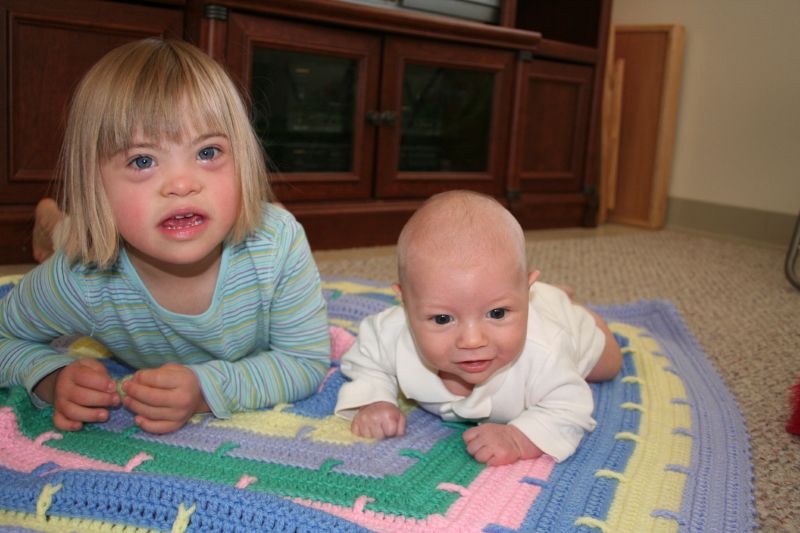
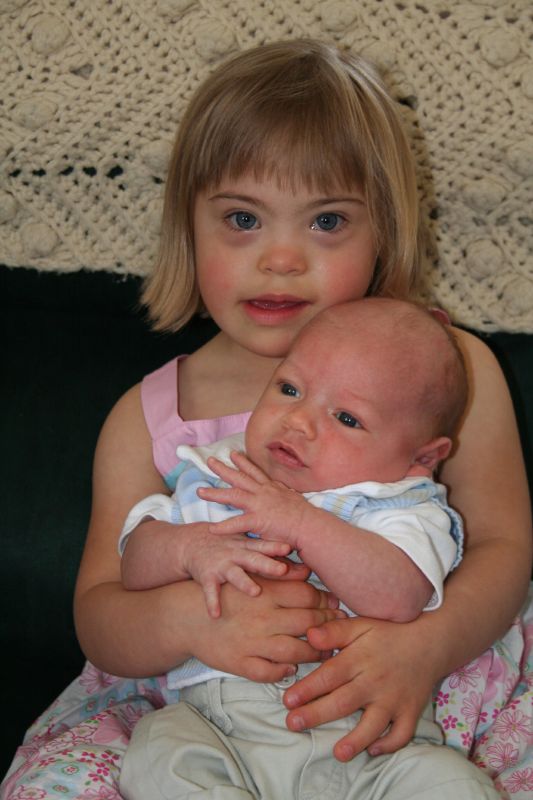

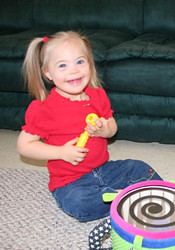
I've seen a meme floating around social media every once in a while with various pictures and the caption:
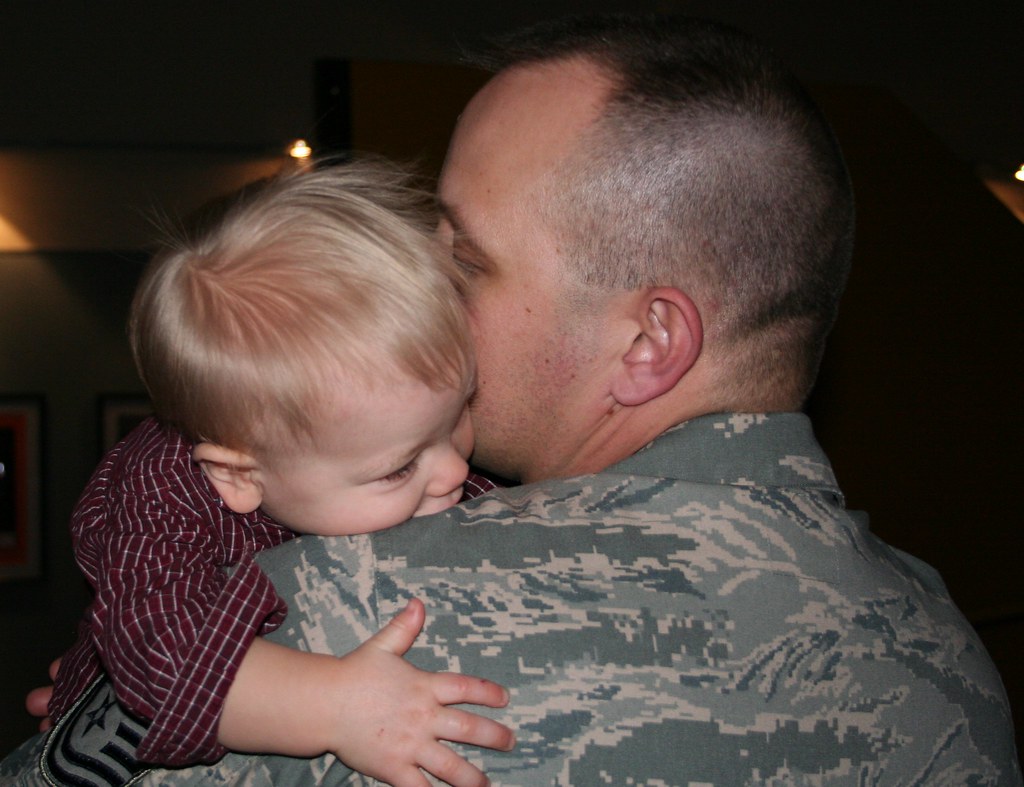
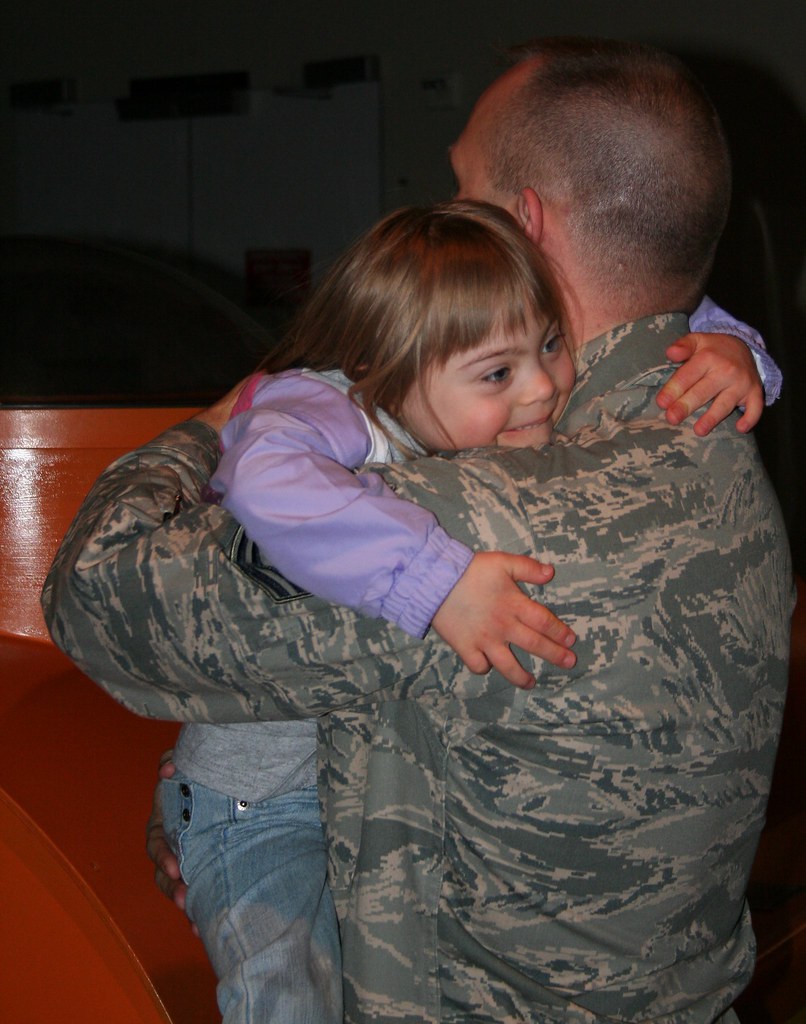
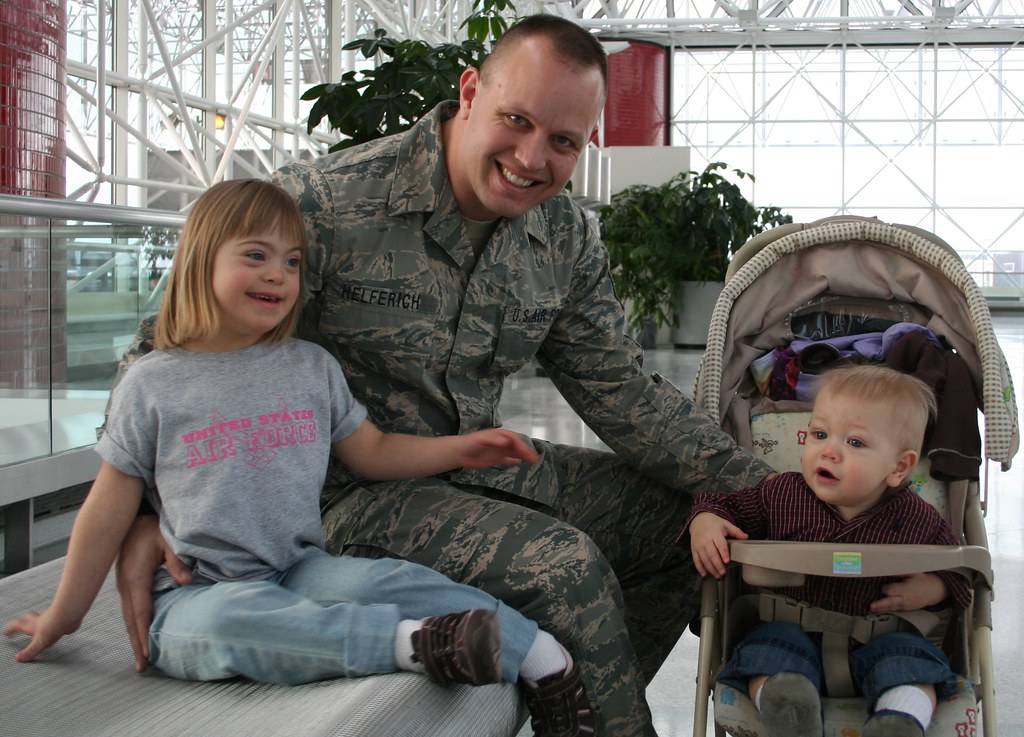
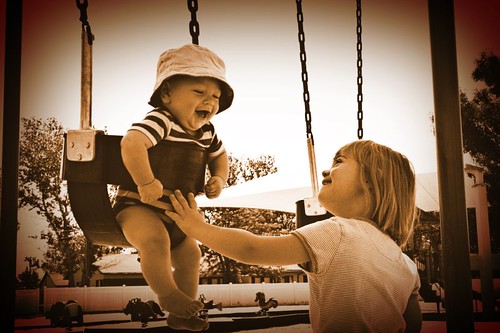
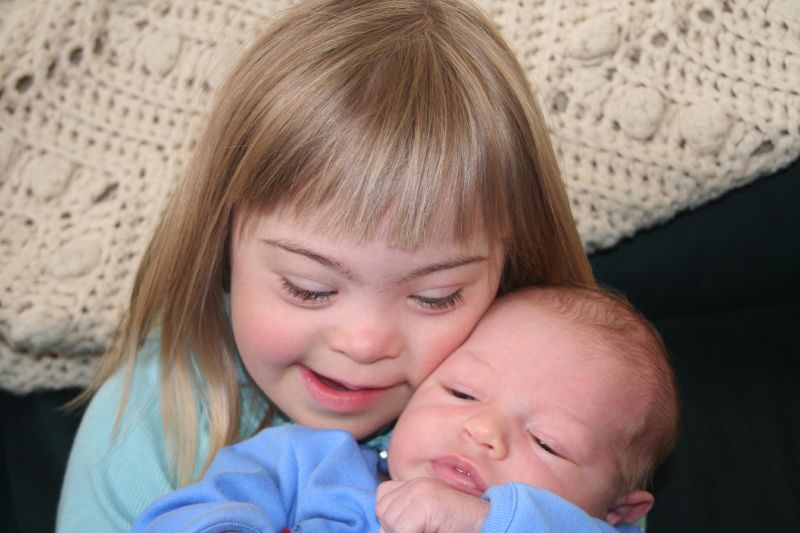
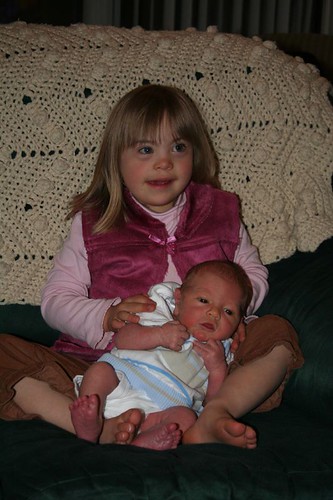
If you want to know how to treat someone with a disability just watch their siblings, they will show you.
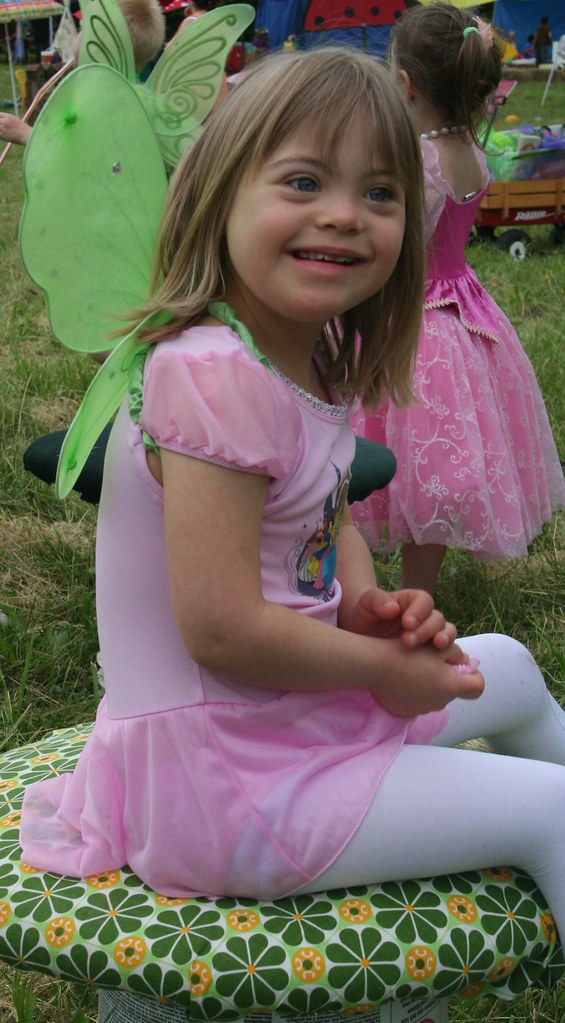
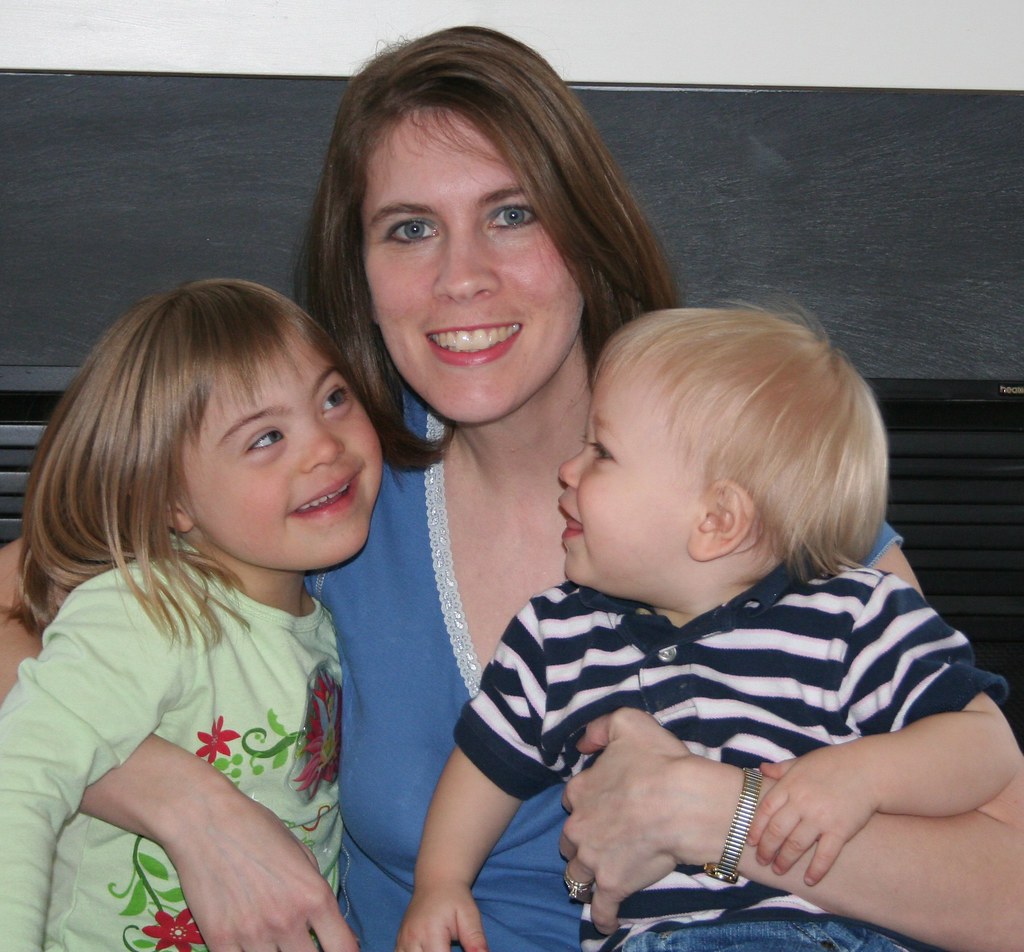
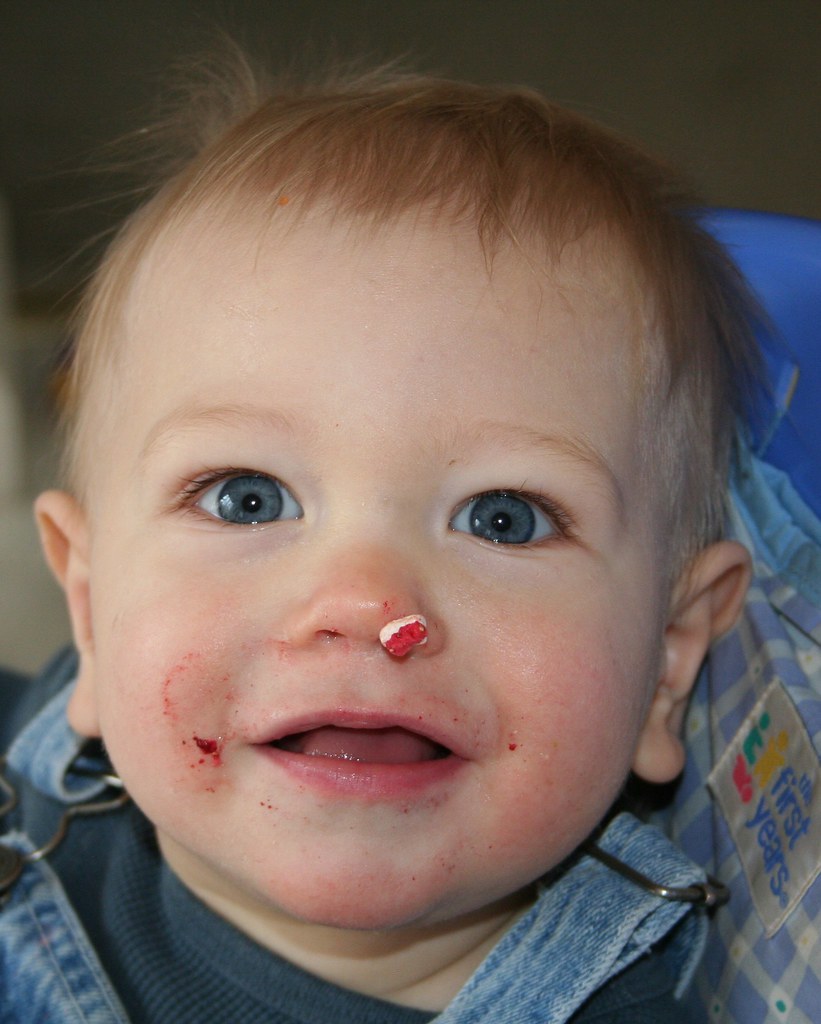
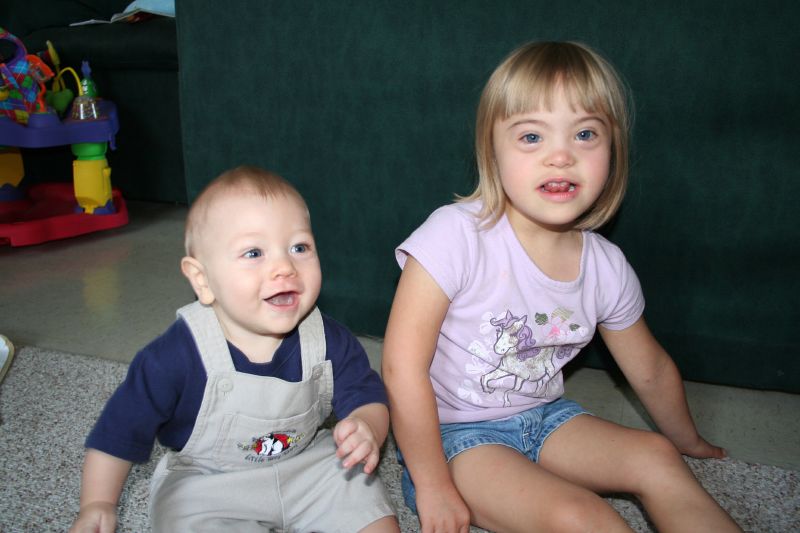
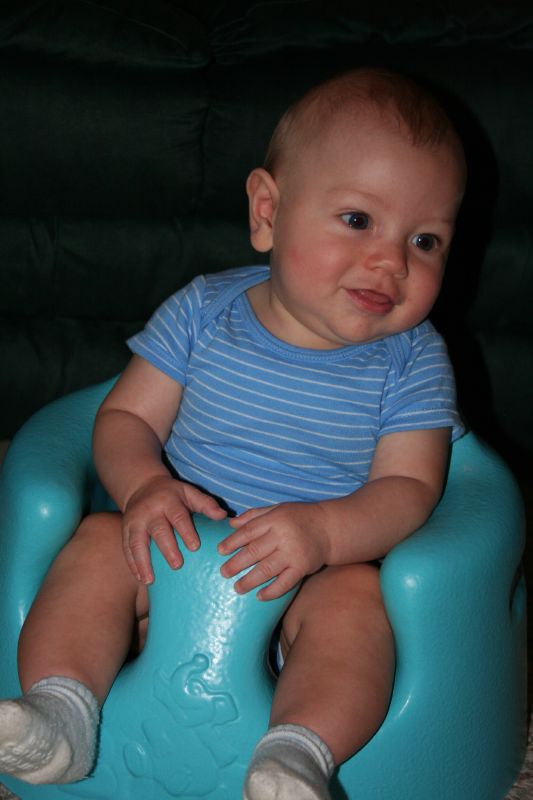
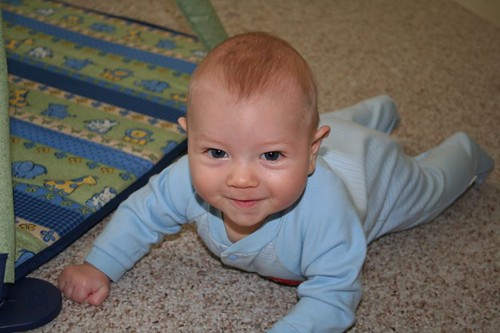
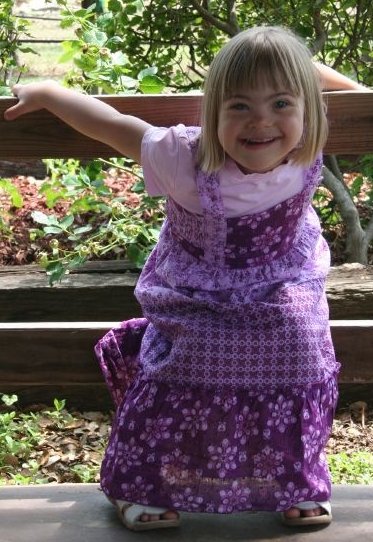
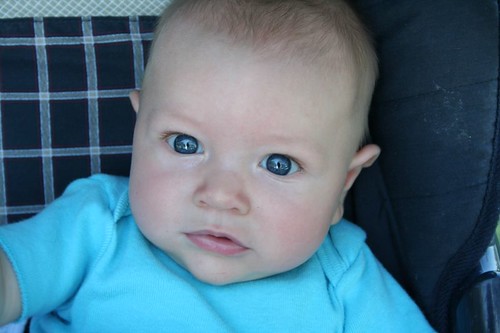
I thought about Lucas and all the times he has shown how thoughtful and caring he can be towards Kayla. Even back when he was in preschool and early elementary school he seemed to always put her first. He frequently would pick something out of the "treasure box" for Kayla. (It goes both ways, if Kayla was at a medical appointment she would always ask to get a lollipop or sticker or toy for Lucas).
There was the time he wanted to recreate the Shoulder Buddy she lost/left at sleep-away camp.
I've blogged about the time we were at a banquet and there wasn't a real option for a gluten-free dessert and Lucas told me, "I know what I can do with the $5 I got from the tooth fairy. Tomorrow I'm going to buy Kayla a gluten-free cupcake from that truck. Well first I was thinking I could get her a bracelet (from one of the vendors in the exhibit area), but then I thought she doesn't really wear bracelets. So then I thought about getting something for myself. But then she didn't get to have anything last night or tonight and I did, so next I thought about buying her a cupcake." At the end of that post I wrote, "May he always be this concerned and caring and have such a big heart."
So he's not so little anymore ... he just finished his first year of middle school (!). How are things between them now? Does he still show concern and caring for her? Does he still have a big heart? Is he still an example of how you treat someone with a disability?
Well let me give you an example of just how big his heart for Kayla is ... something that truly shows the love that only siblings can have for one another.
Lucas' school participates in a secret gift exchange over the holidays and last December Lucas came home with a gift of ... a rubber chicken. A rubber chicken that squeaks. That annoying kind of squeak like a dog's chew toy; who knows maybe it came from the pet section of the store. I pretty much told Lucas that chicken was banned from the downstairs and he could squeak it all he wants upstairs in his room, haha!
Needless to say Kayla is not a fan of this chicken either. She will tell you in no uncertain terms that she hates that chicken. If Lucas is playing with it you can hear a deep loud groan/sigh from Kayla, "Ugh! I HATE that chicken! I hate that squeak noise!"
One day Lucas went outside to play and Kayla was in her room. All was quiet upstairs and then I heard Kayla open her bedroom door, pause, exclaim something about that chicken, and SQUEAK. Again came the SQUEAK of that chicken. Joe and I looked at each other in confusion. "Isn't Lucas outside?" I asked him. He replied that he thought so. I said, "Well there's no way Kayla would be playing with that chicken, she doesn't like it."
Then Kayla yelled out in frustration something about HIS WEIGHT!
I'm a little more confused than before. I ask her what she's talking about.
"Lucas put this weight on the chicken!"
Me, "There is a weight on the chicken?"
K, "YES! Outside my door! I don't like this chicken!"
Turns out Lucas squeezed/deflated the chicken, placed it on the floor in front of Kayla's door and put a hand weight on top of it. The weight was to keep it depressed so when she would pick up the weight to move the chicken it would of course SQUEAK.
In essence he set a booby-trap for her.
Because he loves her so much and knows how annoyed she is by the squeak of the chicken.
So there you have it ladies and gentlemen. Watch how someone treats their sibling with a disability and you will see that special love siblings have for each other.
Yes, Joe and I had a good chuckle about this conniving and devious plan of Lucas' to sabotage his sister - after all - isn't that what siblings are for whether they have an extra chromosome or not?
Showing posts with label disability. Show all posts
Showing posts with label disability. Show all posts
Friday, June 05, 2020


Monday, April 29, 2019
The Insane Inflatable 5K
This weekend Kayla and I joined Lucas and Joe in participating in a 5K run ... ok it was mostly a walk! We (Kayla and I) are not runners, haha!
This was my kind of 5K though since running wasn't the main part of it; having fun was. The vast majority of people seemed to be walking this 5K. Along the route were several large inflatables and that is where the fun came in: The Insane Inflatable 5K
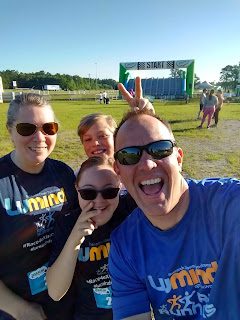
This was my kind of 5K though since running wasn't the main part of it; having fun was. The vast majority of people seemed to be walking this 5K. Along the route were several large inflatables and that is where the fun came in: The Insane Inflatable 5K

One of Lucas' teachers was there and caught the start of the 5K - no one realized Kayla was going to get up the inflatable as fast as she did - she was in beast mode!
Even when we were walking Kayla lagged behind as her pace is not as fast; Lucas was encouraging her to walk faster with little spurts of runs.


Even when we were walking Kayla lagged behind as her pace is not as fast; Lucas was encouraging her to walk faster with little spurts of runs.


We had fun and I'm sure we'll be doing this again next year!
Speaking of running ... Lucas ran in his third Cooper River Bridge Run 10K earlier this month. His goal was to beat his time from last year and finish under 48 minutes and he did it! He finished in 47:05! He also represented LuMind IDSC raising money for Down syndrome research. Donations are still accepted!

Thursday, March 01, 2018
Her Face = Priceless
Last Friday, yes on Lucas' birthday, Kayla had a regional archery tournament in Columbia, SC.
Kayla's highest score was the 151 she got in Worlds last summer in Orlando. So far this season she hasn't been close to that score. Her best has been a 103.
I don't know what it was for this tournament, but she was on fire! She shot her best score yet - blowing away her 151. She came away from Regionals with a 165! She did so great with her shots; it was exciting to watch her.
After one particular round she was especially pleased with herself. She was excited to end that round with a 9 (she might have thought it was a 10; sometimes it's hard to tell until they go to the target to score their round) but we're all really excited for her when she gets that arrow in yellow!
Anyway, she was pumped coming back from the line and threw in a fist pump to herself. I'm so glad I caught this picture of her. Pure joy. Pure excitement. Elation. Self-confidence. Pride.
That's her coach behind her - just as happy for her as she was ... her excitement can get contagious!


Kayla's highest score was the 151 she got in Worlds last summer in Orlando. So far this season she hasn't been close to that score. Her best has been a 103.
I don't know what it was for this tournament, but she was on fire! She shot her best score yet - blowing away her 151. She came away from Regionals with a 165! She did so great with her shots; it was exciting to watch her.
After one particular round she was especially pleased with herself. She was excited to end that round with a 9 (she might have thought it was a 10; sometimes it's hard to tell until they go to the target to score their round) but we're all really excited for her when she gets that arrow in yellow!
Anyway, she was pumped coming back from the line and threw in a fist pump to herself. I'm so glad I caught this picture of her. Pure joy. Pure excitement. Elation. Self-confidence. Pride.
That's her coach behind her - just as happy for her as she was ... her excitement can get contagious!
Look at her face!

This was her "yes!" before the above picture, but of course someone waked right in front of me as I was taking the picture!


Her coach is the best! He's so great with all the kids.

Friday, March 31, 2017
She's Thirteen, Not Three
This past Christmas I was at a crossroads with Santa. I also felt myself in a conundrum with wanting Lucas to believe for another year, but wanting to tell Kayla the truth. Lucas was highly skeptical so I knew it wouldn't last much longer. I blogged about him coming to terms with it, and wanted to include what I was going through with Kayla, but that blog post was already long enough.
Kayla is thirteen and in the 7th grade and hasn't questioned the story of Santa. She took the story at face value - Santa brings gifts and that was that. I don't remember when I found out the truth, or how old I was. I'm sure I didn't still believe when I was thirteen and I doubt Kayla's classmates still believe.
So one day, several weeks before Christmas, Kayla was talking about Santa and I just casually said, "Kayla, Santa's not real, ok?"
Kayla, "Santa is real."
Me, "Well you know all the Santas that you see at parties or parades? Those aren't real Santas, they are just people dressed up in costumes."
She replied back, "He's real at Christmas you know." I had to laugh at that.
The next time we talked about it she said, "Santa's fake" and I confirmed, yes, Santa is fake. He's not real. I wasn't sure if she really understood what I was saying or if she was only referring to the Santa at the Christmas parties.
Then there was the time Lucas was asking about Santa, again, and Kayla yelled out, "Santa's fake! Right mom?" oops!
Up until Christmas she seemed to just accept the "Santa's fake" line, but on Christmas Eve and Christmas Day she was back to insisting that Santa was real.
There is a certain kind of magical element to Christmas when you have young kids who believe in Santa, and it's fun to see their surprise and wonderment at receiving gifts they asked Santa for, but as kids grow up that belief eventually fades away and I'm not interested in keeping Kayla in a 'younger' mindset.
I'm not going to continue that ruse with Kayla just because she has Down syndrome.
I want Kayla to be taken seriously by her peers, potential employers, and by her community. If she is 25 years old and still believes in Santa, will they take her seriously? Will they presume her competent? Or will they think she is less capable? Will they continue to treat her younger than she is? I am not going to play along, or encourage my adult child, to believe in Santa.
I'm not saying there is a right or wrong way on how to handle this, only this is how I feel and plan to parent my child.
People already have a tendency to treat her younger than she is.
How many parents have a typical 13 year old daughter who, when leaving a medical office, are offered a sticker?
How many parents have a typical 13 year old daughter who, when left in the exam room the nurse, or assistant, asks, "Would she like to watch Peppa Pig?"
No, she is not going to watch Peppa Pig - she's thirteen, not three. I realize she might not look like she's thirteen, but she's obviously not a toddler.
Yes plenty of older children/younger teens watch cartoons, but there is a difference between cartoons and preschool programming.
Yes I had a sticker book, two actually, when I was a kid. I still had those books when I was thirteen. I don't think I was still collecting/trading stickers at that age though - or if I was it was not on a regular basis and it wasn't with stickers from doctor's offices (which are, usually, more of the preschool character variety.)
Kayla is going to believe what she believes and I can't change it, or force her to not believe in Santa, but I won't encourage it and I won't continue to tell her Santa is real.
Kayla is thirteen and in the 7th grade and hasn't questioned the story of Santa. She took the story at face value - Santa brings gifts and that was that. I don't remember when I found out the truth, or how old I was. I'm sure I didn't still believe when I was thirteen and I doubt Kayla's classmates still believe.
So one day, several weeks before Christmas, Kayla was talking about Santa and I just casually said, "Kayla, Santa's not real, ok?"
Kayla, "Santa is real."
Me, "Well you know all the Santas that you see at parties or parades? Those aren't real Santas, they are just people dressed up in costumes."
She replied back, "He's real at Christmas you know." I had to laugh at that.
The next time we talked about it she said, "Santa's fake" and I confirmed, yes, Santa is fake. He's not real. I wasn't sure if she really understood what I was saying or if she was only referring to the Santa at the Christmas parties.
Then there was the time Lucas was asking about Santa, again, and Kayla yelled out, "Santa's fake! Right mom?" oops!
Up until Christmas she seemed to just accept the "Santa's fake" line, but on Christmas Eve and Christmas Day she was back to insisting that Santa was real.
There is a certain kind of magical element to Christmas when you have young kids who believe in Santa, and it's fun to see their surprise and wonderment at receiving gifts they asked Santa for, but as kids grow up that belief eventually fades away and I'm not interested in keeping Kayla in a 'younger' mindset.
I'm not going to continue that ruse with Kayla just because she has Down syndrome.
I want Kayla to be taken seriously by her peers, potential employers, and by her community. If she is 25 years old and still believes in Santa, will they take her seriously? Will they presume her competent? Or will they think she is less capable? Will they continue to treat her younger than she is? I am not going to play along, or encourage my adult child, to believe in Santa.
I'm not saying there is a right or wrong way on how to handle this, only this is how I feel and plan to parent my child.
People already have a tendency to treat her younger than she is.
How many parents have a typical 13 year old daughter who, when leaving a medical office, are offered a sticker?
How many parents have a typical 13 year old daughter who, when left in the exam room the nurse, or assistant, asks, "Would she like to watch Peppa Pig?"
No, she is not going to watch Peppa Pig - she's thirteen, not three. I realize she might not look like she's thirteen, but she's obviously not a toddler.
Yes plenty of older children/younger teens watch cartoons, but there is a difference between cartoons and preschool programming.
Yes I had a sticker book, two actually, when I was a kid. I still had those books when I was thirteen. I don't think I was still collecting/trading stickers at that age though - or if I was it was not on a regular basis and it wasn't with stickers from doctor's offices (which are, usually, more of the preschool character variety.)
Kayla is going to believe what she believes and I can't change it, or force her to not believe in Santa, but I won't encourage it and I won't continue to tell her Santa is real.
Friday, December 02, 2016
They Were Taking Advantage of Her
Kayla and Lucas were playing outside last weekend when Kayla came in the house to get a snack. Nothing seemed to be amiss with her. A few seconds later Lucas came in the house. Something was amiss with him.
His face was red, he looked visibly upset, and he looked like he was losing his battle to hold back his tears. He didn't say anything, instead grabbing his cup and getting some water. After he chugged down his water I asked him what was wrong.
I tousled his hair and pulled him to me so I could wrap my arms around him in the hopes of giving him some comfort for whatever had him so upset.
The pent up frustration and floodgates opened and he managed, in between big gulping sobs to catch his breath, to tell me, "We were playing kickball and they were taking advantage of Kayla!"
Kayla was still in the kitchen during this time, but never said anything, didn't seem bothered by it - in fact she ran right back outside to play.
The story I was able to get from Lucas is they were playing kickball with 3 kids on each side. Kayla was on his team. When she reached first base the 3 kids from the other team kept telling her to run for second base. Lucas felt like they were telling her to run because they knew they would get her out (he said they had done this once already).
He was yelling at her not to run and also yelling at the other kids to stop telling her to run.
But they kept encouraging her to run.
He got upset and that's when he came in the house (and he didn't go back out to play with them).
I'm sure some of his frustration was with Kayla - being on his team of course he wouldn't want her to get an unnecessary out, and I imagine he was frustrated that she wasn't listening to him. However, he has never become so upset or frustrated with her for not doing something he's asked her to do that he ends up crying that deep kind of cry where your breath is hitching after every word.
He also described it as the kids "taking advantage" of Kayla. He realized whythey were telling her to run. He recognized it as taking advantage of his sister - those were his own words.
How did Kayla view all this? I only know from when she came in the house she didn't seem bothered by it - she seemed oblivious to what Lucas was even talking about.
I didn't witness it, but I know Kayla doesn't care so much about strategy in playing a game - she's just out there to have fun. If they were telling her to run, she was probably laughing right along with them (not realizing that they were probably laughing at, and not with, her. She doesn't think of people doing things with ulterior motives. She probably looked at it as a challenge - "Ok, I'll run!" and amidst all the yelling and whatnot she probably wasn't even focused on Lucas yelling at her. Too much sensory overload is what I imagine. So Kayla wasn't aware that it wasn't with the best of intentions that they were telling her to run.
Is having a few neighborhood kids encouraging Kayla to run, when she shouldn't be, during a game of kickball so they could get her out that bad? Obviously there are worse ways kids could treat her. But Lucas has a sensitive soul. This is the first time he's witnessed something like that happening as it pertains to Kayla and knowing they were doing that because she has a disability.
My heart was hurting seeing how much he was hurting by this; I had to keep my own tears in check. I wish at 8 years old he didn't even have to be aware of what it means to "take advantage" of someone.
I was heartened that he stood up and told them to stop, and when they wouldn't stop he left the game. I hope as he grows older he'll always be courageous and stick to his convictions and not be afraid to speak up if someone is being treated badly.
His face was red, he looked visibly upset, and he looked like he was losing his battle to hold back his tears. He didn't say anything, instead grabbing his cup and getting some water. After he chugged down his water I asked him what was wrong.
I tousled his hair and pulled him to me so I could wrap my arms around him in the hopes of giving him some comfort for whatever had him so upset.
The pent up frustration and floodgates opened and he managed, in between big gulping sobs to catch his breath, to tell me, "We were playing kickball and they were taking advantage of Kayla!"
Kayla was still in the kitchen during this time, but never said anything, didn't seem bothered by it - in fact she ran right back outside to play.
The story I was able to get from Lucas is they were playing kickball with 3 kids on each side. Kayla was on his team. When she reached first base the 3 kids from the other team kept telling her to run for second base. Lucas felt like they were telling her to run because they knew they would get her out (he said they had done this once already).
He was yelling at her not to run and also yelling at the other kids to stop telling her to run.
But they kept encouraging her to run.
He got upset and that's when he came in the house (and he didn't go back out to play with them).
I'm sure some of his frustration was with Kayla - being on his team of course he wouldn't want her to get an unnecessary out, and I imagine he was frustrated that she wasn't listening to him. However, he has never become so upset or frustrated with her for not doing something he's asked her to do that he ends up crying that deep kind of cry where your breath is hitching after every word.
He also described it as the kids "taking advantage" of Kayla. He realized whythey were telling her to run. He recognized it as taking advantage of his sister - those were his own words.
How did Kayla view all this? I only know from when she came in the house she didn't seem bothered by it - she seemed oblivious to what Lucas was even talking about.
I didn't witness it, but I know Kayla doesn't care so much about strategy in playing a game - she's just out there to have fun. If they were telling her to run, she was probably laughing right along with them (not realizing that they were probably laughing at, and not with, her. She doesn't think of people doing things with ulterior motives. She probably looked at it as a challenge - "Ok, I'll run!" and amidst all the yelling and whatnot she probably wasn't even focused on Lucas yelling at her. Too much sensory overload is what I imagine. So Kayla wasn't aware that it wasn't with the best of intentions that they were telling her to run.
Is having a few neighborhood kids encouraging Kayla to run, when she shouldn't be, during a game of kickball so they could get her out that bad? Obviously there are worse ways kids could treat her. But Lucas has a sensitive soul. This is the first time he's witnessed something like that happening as it pertains to Kayla and knowing they were doing that because she has a disability.
My heart was hurting seeing how much he was hurting by this; I had to keep my own tears in check. I wish at 8 years old he didn't even have to be aware of what it means to "take advantage" of someone.
I was heartened that he stood up and told them to stop, and when they wouldn't stop he left the game. I hope as he grows older he'll always be courageous and stick to his convictions and not be afraid to speak up if someone is being treated badly.
Tuesday, February 16, 2016
Talking About Her Future
I was trying to have a serious talk with Kayla about what she wants for her future. Where does she see herself living - does she want to live on her own in an apartment? Does she want to go to college? Does she want to have a boyfriend and/or get married? What kind of job might she want to have?
I've heard some of Kayla's similarly-aged peers with Down syndrome express their hopes, dreams, and desires for their future ... but Kayla rarely does this. I think, for her, the future is such an abstract concept.
I have talked to her before ... mentioning getting married (she always, adamantly exclaims NO!), or going to college, but I think this is something we're going to have to keep discussing for her to grasp it; for her to realize she has a say in her future. She will be 13 this summer and I want her to realize her adult life doesn't have to be spent with her parents - although some people might tell me, "well there you go, she is telling you exactly where she sees her future!"
So we were sitting on her bed, about to read a book together, when I broached the subject of her future once again.
Most of the conversation went like this,
"Kayla where do you want to live when you're an adult?"
"I live at home!"
"But when you're an adult where do you want to live?"
"I'm not an adult, I'll be 13 on my birthday, I'll be a teenager."
"Yes you're going to be 13 on your next birthday ... but you will eventually be an adult. Do you want to have your own place?"
"No! I live with you and dad and Lucas!"
"But don't you want to move out and live on your own?"
"No! I want to live here forever!"
Ok different topic:
"Do you want to go to college?"
"No! I'll be in 7th grade, I'm in junior high!"
"But then you'll be in 8th, 9th, 10th, 11th, and 12th grade. And when you're finished high school you can go to college."
"I don't want to!"
Ok.
"What about a job? Where do you want to work?"
I don't think she really had an answer for this one. There was some more back and forth about what she might be interested in, what she might want to do when she is an adult ... but nothing with assurance.
She kept trying to change the subject by asking if we could go to Dairy Queen. I kept telling her no we weren't going to DQ right then. Back and forth we went, "I like DQ." "After dinner we go to DQ and get ice cream?" Around and around we went.
Finally she told me, "Just read now." She was clearly done with the conversation.
I told her, "Ok. We can read now."
But I had to get in one last word by telling her, "I just wanted to talk with you about your future you know. I just wanted to talk about where you might want to live, what kind of job you might want to have."
Kayla responded with, "I want to work at Dairy Queen! I get a job at Dairy Queen, that's where I will work!"
I guess she had the last word after all.
Well played Kayla, well played!

I've heard some of Kayla's similarly-aged peers with Down syndrome express their hopes, dreams, and desires for their future ... but Kayla rarely does this. I think, for her, the future is such an abstract concept.
I have talked to her before ... mentioning getting married (she always, adamantly exclaims NO!), or going to college, but I think this is something we're going to have to keep discussing for her to grasp it; for her to realize she has a say in her future. She will be 13 this summer and I want her to realize her adult life doesn't have to be spent with her parents - although some people might tell me, "well there you go, she is telling you exactly where she sees her future!"
So we were sitting on her bed, about to read a book together, when I broached the subject of her future once again.
Most of the conversation went like this,
"Kayla where do you want to live when you're an adult?"
"I live at home!"
"But when you're an adult where do you want to live?"
"I'm not an adult, I'll be 13 on my birthday, I'll be a teenager."
"Yes you're going to be 13 on your next birthday ... but you will eventually be an adult. Do you want to have your own place?"
"No! I live with you and dad and Lucas!"
"But don't you want to move out and live on your own?"
"No! I want to live here forever!"
Ok different topic:
"Do you want to go to college?"
"No! I'll be in 7th grade, I'm in junior high!"
"But then you'll be in 8th, 9th, 10th, 11th, and 12th grade. And when you're finished high school you can go to college."
"I don't want to!"
Ok.
"What about a job? Where do you want to work?"
I don't think she really had an answer for this one. There was some more back and forth about what she might be interested in, what she might want to do when she is an adult ... but nothing with assurance.
She kept trying to change the subject by asking if we could go to Dairy Queen. I kept telling her no we weren't going to DQ right then. Back and forth we went, "I like DQ." "After dinner we go to DQ and get ice cream?" Around and around we went.
Finally she told me, "Just read now." She was clearly done with the conversation.
I told her, "Ok. We can read now."
But I had to get in one last word by telling her, "I just wanted to talk with you about your future you know. I just wanted to talk about where you might want to live, what kind of job you might want to have."
Kayla responded with, "I want to work at Dairy Queen! I get a job at Dairy Queen, that's where I will work!"
I guess she had the last word after all.
Well played Kayla, well played!
Thursday, September 17, 2015
9th Annual 31 for 21 Blogging for Down Syndrome
The 9th Annual blog challenge called "31 for 21" is almost upon us! I feel like most everyone knows what "31 for 21" is all about, but in case there are some new bloggers joining in here is a quick recap:
- Down syndrome is 3 copies of the 21st chromosome (in medical terms it is Trisomy 21, frequently shortened to T21).
- October is National Down Syndrome Awareness Month
- There are 31 days in Oct
- Blog every day (31) in Oct to raise awareness/acceptance about Down syndrome (T21)
- So ... 31 for 21 Blog Challenge
A couple of guidelines:
- You don't have to blog about Down syndrome every day; just blog every day about whatever you want
- You should mention, at least once, that you are participating in "31 for 21"
- You don't have to be a parent, or grandparent, of someone with Down syndrome to participate
- Grab the button and post somewhere on your blog or in a blog post
- Sign Mr Linky so other bloggers can see all the participants
- Meet new bloggers
- Use #31for21 on social media
I will be sharing blogs from participating bloggers on the Big Blueberry Eyes Facebook page.
Here is a link to topic ideas to get you thinking about what to blog about. If you have any other topics please let me know so I can add them to the list.
 Grab This Button
Please add your blog to the list of participating bloggers:
- Down syndrome is 3 copies of the 21st chromosome (in medical terms it is Trisomy 21, frequently shortened to T21).
- October is National Down Syndrome Awareness Month
- There are 31 days in Oct
- Blog every day (31) in Oct to raise awareness/acceptance about Down syndrome (T21)
- So ... 31 for 21 Blog Challenge
A couple of guidelines:
- You don't have to blog about Down syndrome every day; just blog every day about whatever you want
- You should mention, at least once, that you are participating in "31 for 21"
- You don't have to be a parent, or grandparent, of someone with Down syndrome to participate
- Grab the button and post somewhere on your blog or in a blog post
- Sign Mr Linky so other bloggers can see all the participants
- Meet new bloggers
- Use #31for21 on social media
I will be sharing blogs from participating bloggers on the Big Blueberry Eyes Facebook page.
Here is a link to topic ideas to get you thinking about what to blog about. If you have any other topics please let me know so I can add them to the list.
Grab This Button
Please add your blog to the list of participating bloggers:
Tuesday, April 28, 2015
The Disabled Military Child Protection Act
Upon retirement the military member may elect coverage in the Survivors Benefit Plan (SBP). This coverage can be for a spouse only, spouse and children, or children only coverage.
When Joe retired we discovered that we couldn't elect this coverage for Kayla and have it designated to go to a special needs trust. The law stated it could only be designed to a person and the Defense Department's interpretation of person did not include a trust.
As parents we want to provide for our childrens' future as best we can and not having this option to designate the payments of the SBP to go to a special needs trust for Kayla was frustrating. We could still chose to designate Kayla as a beneficiary if we wanted to, but we would have to be very careful with how much could be allotted to her - any monthly payment she would receive could potentially affect her eligibility for government benefits programs such as Medicaid, SSI, and housing programs.
Individuals with disabilities can not have more than $2000 in assets before it affects their eligibility for those programs. I've often been frustrated by the constrictions on all of this. Isn't the goal to help Kayla be as independent as possible? How independent can you be if you're restricted to $2000 in assets? If we're able to help provide for her future so she doesn't have to rely on all of those government benefits is that really such a bad thing? I don't think it is, but it's unnerving to think if we do something as simple as designating her as a beneficiary we could be jeopardizing her chance at programs she may truly need and could benefit from.
Around the time of Joe's retirement I read there was legislation being introduced, or had been introduced, to allow military members to designate SBP payments to a special needs trust, but when it came time to sign that paperwork there was no law in affect. The person at the office where we had to fill out the SBP paperwork hadn't heard anything about it.
Joe signed the paperwork for his SBP elections in November. In March I read an article (New Law Eases Burden for Special Needs Military Kids) that the President had indeed signed The Disabled Military Child Protection Act (I wish they would use People-First Language like The Military Child With Disabilities Act) which would allow the military member to have the SBP be paid to a special needs trust. This was signed in December (it figures!).
Hopefully the Defense Finance and Accountability Service will consider having an 'open season' for retired service members to allow them to elect the SBP for a trust.
When Joe retired we discovered that we couldn't elect this coverage for Kayla and have it designated to go to a special needs trust. The law stated it could only be designed to a person and the Defense Department's interpretation of person did not include a trust.
As parents we want to provide for our childrens' future as best we can and not having this option to designate the payments of the SBP to go to a special needs trust for Kayla was frustrating. We could still chose to designate Kayla as a beneficiary if we wanted to, but we would have to be very careful with how much could be allotted to her - any monthly payment she would receive could potentially affect her eligibility for government benefits programs such as Medicaid, SSI, and housing programs.
Individuals with disabilities can not have more than $2000 in assets before it affects their eligibility for those programs. I've often been frustrated by the constrictions on all of this. Isn't the goal to help Kayla be as independent as possible? How independent can you be if you're restricted to $2000 in assets? If we're able to help provide for her future so she doesn't have to rely on all of those government benefits is that really such a bad thing? I don't think it is, but it's unnerving to think if we do something as simple as designating her as a beneficiary we could be jeopardizing her chance at programs she may truly need and could benefit from.
Around the time of Joe's retirement I read there was legislation being introduced, or had been introduced, to allow military members to designate SBP payments to a special needs trust, but when it came time to sign that paperwork there was no law in affect. The person at the office where we had to fill out the SBP paperwork hadn't heard anything about it.
Joe signed the paperwork for his SBP elections in November. In March I read an article (New Law Eases Burden for Special Needs Military Kids) that the President had indeed signed The Disabled Military Child Protection Act (I wish they would use People-First Language like The Military Child With Disabilities Act) which would allow the military member to have the SBP be paid to a special needs trust. This was signed in December (it figures!).
Hopefully the Defense Finance and Accountability Service will consider having an 'open season' for retired service members to allow them to elect the SBP for a trust.
Wednesday, April 08, 2015
Shoe Tying
Kayla can not yet tie her shoes.
Disclosure: Do not read this to mean all people with Down syndrome can't tie shoes. I know children with Down syndrome who are younger than Kayla and have mastered tying their shoes.
Truth is we probably haven't been as diligent about teaching Kayla to tie her shoes as we should have/could have been. It's not that we haven't tried, maybe just not hard enough.
She has tried learning to tie her shoes, but it's just not clicking yet for her brain and hands and fingers to all work together. She has shorter thumbs and the laces don't seem to stay wrapped around her thumb long enough to get the lace through it.
We tried using Youtube for videos since she's very visual that way. I stumbled on a new-to-me way to tie shoes - the "1 second way" (this isn't the video I saw the first time, but there are several out there). Lucas now ties his shoes this way. Kayla's fine motor skills just aren't there yet.
It was easier to rely on velcro shoes as a crutch. Velcro shoes gave her independence. But the issue became her obsession to pull the straps on and off multiple times before she was satisfied with how they felt -whatever it was she was looking for. The problem with that became the velcro wore off long before the sneakers wore out, but rendered the sneakers useless.
We just started using Elastolaces - No Tie Shoe Lock Laces. These were designed with the runner in mind, the elderly, and young children. These also work great for kids like Kayla, who have dexterity issues with tying shoes. It comes with the elastic laces and extra clips. Simply thread the laces into the clip and then pull the round piece to the shoe to tighten it and pull it out to loosen it. Since the laces are a bit long we do tuck it under the top lace of her shoe so it's not flopping around.
It did take Kayla several tries to figure out how to use it correctly, and if you pull too hard the clip can pop off, but Kayla can use these just fine now. Her shoelaces don't come undone and she doesn't have to ask anyone for help in tying her shoes. She seems to like using these especially since she can continue to be independent with her shoes.
I still aim to have her learn to tie her shoes, because I think learning to tie is an important skill, but while we work on that I'm glad to have this solution for her to use in the mean time!
I received this product for free from Underdown; all opinions are my own. And Kayla's.
Disclosure: Do not read this to mean all people with Down syndrome can't tie shoes. I know children with Down syndrome who are younger than Kayla and have mastered tying their shoes.
Truth is we probably haven't been as diligent about teaching Kayla to tie her shoes as we should have/could have been. It's not that we haven't tried, maybe just not hard enough.
She has tried learning to tie her shoes, but it's just not clicking yet for her brain and hands and fingers to all work together. She has shorter thumbs and the laces don't seem to stay wrapped around her thumb long enough to get the lace through it.
We tried using Youtube for videos since she's very visual that way. I stumbled on a new-to-me way to tie shoes - the "1 second way" (this isn't the video I saw the first time, but there are several out there). Lucas now ties his shoes this way. Kayla's fine motor skills just aren't there yet.
It was easier to rely on velcro shoes as a crutch. Velcro shoes gave her independence. But the issue became her obsession to pull the straps on and off multiple times before she was satisfied with how they felt -whatever it was she was looking for. The problem with that became the velcro wore off long before the sneakers wore out, but rendered the sneakers useless.
We just started using Elastolaces - No Tie Shoe Lock Laces. These were designed with the runner in mind, the elderly, and young children. These also work great for kids like Kayla, who have dexterity issues with tying shoes. It comes with the elastic laces and extra clips. Simply thread the laces into the clip and then pull the round piece to the shoe to tighten it and pull it out to loosen it. Since the laces are a bit long we do tuck it under the top lace of her shoe so it's not flopping around.
It did take Kayla several tries to figure out how to use it correctly, and if you pull too hard the clip can pop off, but Kayla can use these just fine now. Her shoelaces don't come undone and she doesn't have to ask anyone for help in tying her shoes. She seems to like using these especially since she can continue to be independent with her shoes.
I still aim to have her learn to tie her shoes, because I think learning to tie is an important skill, but while we work on that I'm glad to have this solution for her to use in the mean time!
I received this product for free from Underdown; all opinions are my own. And Kayla's.
Friday, January 30, 2015
The Way We Think About Disability
Torrie Dunlap is the CEO of Kids Included Together. KIT "specializes in providing best practices training for community-based organizations committed to including children with and without disabilities into their recreational, child development and youth development programs."
Torrie Dunlap gave a wonderful TEDx Talk about inclusion, special needs, abilities, and perspectives called "Isn't It A Pity? The Real Problem With Special Needs." You can watch the video of her speech at that link as well as read the transcript.
She brings up several key points that resonated with me, such as this one:
- "We have moved from hiding and institutionalizing children to a world where kids with disabilities are “special” and receive special services in special settings with special caregivers, and they- and their families- are disenfranchised from the community at large and have become their own separate community. I believe that “special” has become a euphemism for “separate.” When we create a separate, “special” places for children where their “special needs” can be met, we are teaching them that their place is over there, with people like them and not in the full community."
This is similar to what I was saying in my post That Word Special and also my feelings on our experiences with self-contained classrooms being separate and far removed from the typical classrooms, and same-age peers.
Torrie talks passionately about the mental way we think about disability using the medical model vs the social model. Here is a new word combing both of those ways of thinking: biopsychosocial model.
"This model accepts that medical labels and diagnoses are part of the identity of the person and environmental barriers are also considered when looking at how disability influences a child’s ability to function in the world. It’s a more holistic approach."
She brings up some great points about typical community events being aimed at having a 'special' time for 'special' kids to attend and what is that teaching everyone else? Again, separation. Why can't all kids just attend together with a few accommodations as needed for assistance?
Another example are special needs proms. I wonder about those, too. Why a separate prom? Why can't those students attend the prom at their own high school that they belong to? If they do go to their own high school prom, then why the need for a separate prom only for students with disabilities? Why does everything have to be separate?
I admit, we do attend things that are promoted and labeled as for families with disabilities/special needs. We go to the local children's museum on their "SuperStars" days. I think it is important with doing things within a specific community - such as the 'disability community' or the 'military community'. It's important to be with other families who understand the same situations or experiences; but it's just as important for inclusion to happen within all communities as well. We don't limit ourselves to just doing things that are meant for families with children with disabilities, we participate in all kinds of events and happenings in our community.
In closing, Torrie Dunlap asks the questions,
"How do we want to be included in our communities? How do we want our children to be regarded? As something fragile, broken and “special” or as people who have a right to belong in our communities? I believe that when we examine our own mental models toward disability, we won’t default to pity and charity but will focus our efforts on making our society accessible to everyone, and everyone will benefit.
Torrie Dunlap gave a wonderful TEDx Talk about inclusion, special needs, abilities, and perspectives called "Isn't It A Pity? The Real Problem With Special Needs." You can watch the video of her speech at that link as well as read the transcript.
She brings up several key points that resonated with me, such as this one:
- "We have moved from hiding and institutionalizing children to a world where kids with disabilities are “special” and receive special services in special settings with special caregivers, and they- and their families- are disenfranchised from the community at large and have become their own separate community. I believe that “special” has become a euphemism for “separate.” When we create a separate, “special” places for children where their “special needs” can be met, we are teaching them that their place is over there, with people like them and not in the full community."
This is similar to what I was saying in my post That Word Special and also my feelings on our experiences with self-contained classrooms being separate and far removed from the typical classrooms, and same-age peers.
Torrie talks passionately about the mental way we think about disability using the medical model vs the social model. Here is a new word combing both of those ways of thinking: biopsychosocial model.
"This model accepts that medical labels and diagnoses are part of the identity of the person and environmental barriers are also considered when looking at how disability influences a child’s ability to function in the world. It’s a more holistic approach."
She brings up some great points about typical community events being aimed at having a 'special' time for 'special' kids to attend and what is that teaching everyone else? Again, separation. Why can't all kids just attend together with a few accommodations as needed for assistance?
Another example are special needs proms. I wonder about those, too. Why a separate prom? Why can't those students attend the prom at their own high school that they belong to? If they do go to their own high school prom, then why the need for a separate prom only for students with disabilities? Why does everything have to be separate?
I admit, we do attend things that are promoted and labeled as for families with disabilities/special needs. We go to the local children's museum on their "SuperStars" days. I think it is important with doing things within a specific community - such as the 'disability community' or the 'military community'. It's important to be with other families who understand the same situations or experiences; but it's just as important for inclusion to happen within all communities as well. We don't limit ourselves to just doing things that are meant for families with children with disabilities, we participate in all kinds of events and happenings in our community.
In closing, Torrie Dunlap asks the questions,
"How do we want to be included in our communities? How do we want our children to be regarded? As something fragile, broken and “special” or as people who have a right to belong in our communities? I believe that when we examine our own mental models toward disability, we won’t default to pity and charity but will focus our efforts on making our society accessible to everyone, and everyone will benefit.
Tuesday, January 06, 2015
The ABLE Act Passed
A few years ago I blogged about the Achieving A Better Life Experience Act.
Then earlier this year came the plea once again to contact representatives asking them to pass this bill as it was introduced to Congress again. This has bee several years in the making as it was first introduced to Congress in 2009.
After a lot of hard word and advocacy by many, many people and organizations ... finally near the end of Dec the Act passed in the House and Senate and was signed into law by the President!
This is a major, groundbreaking law that will positively affect the lives of people with disabilities.
Previously people with disabilities could not have any type of savings account with any significant amount of money. Nothing could be left in their name. If a person with disabilities has over $2000 in assets they will lose needed government benefits. It was a catch-22. Try to find employment to be self-sufficient and independent, but scrutinize your income to make sure you don't go over that $2000 limit at any one time.
Relatives could not leave anything in the name of the person with disabilities.
The only option parents had for saving for the future of their child with a disability was a Special Needs Trust. Even that has some limits as we found out with Joe's retirement. Upon retirement Joe can elect to contribute to a Survivor's Benefit Plan whereupon his death money could be left to the spouse and/or children. But money from a SBP can not go to a Special Needs Trust. So that's basically like telling Kayla she/her name is left out of pretty much everything.
But now with the ABLE Act this will allow the ability to save through a 529-type savings account and most importantly without affect government benefits.
The National Down Syndrome Congress has put together a FAQ with more information about the ABLE Act and what it means and how it can benefit people with disabilities.
I'm so glad that we now have another valid option of a savings account for Kayla ... now just to figure out all the ins and outs of being able to use this type of account!
Then earlier this year came the plea once again to contact representatives asking them to pass this bill as it was introduced to Congress again. This has bee several years in the making as it was first introduced to Congress in 2009.
After a lot of hard word and advocacy by many, many people and organizations ... finally near the end of Dec the Act passed in the House and Senate and was signed into law by the President!
This is a major, groundbreaking law that will positively affect the lives of people with disabilities.
Previously people with disabilities could not have any type of savings account with any significant amount of money. Nothing could be left in their name. If a person with disabilities has over $2000 in assets they will lose needed government benefits. It was a catch-22. Try to find employment to be self-sufficient and independent, but scrutinize your income to make sure you don't go over that $2000 limit at any one time.
Relatives could not leave anything in the name of the person with disabilities.
The only option parents had for saving for the future of their child with a disability was a Special Needs Trust. Even that has some limits as we found out with Joe's retirement. Upon retirement Joe can elect to contribute to a Survivor's Benefit Plan whereupon his death money could be left to the spouse and/or children. But money from a SBP can not go to a Special Needs Trust. So that's basically like telling Kayla she/her name is left out of pretty much everything.
But now with the ABLE Act this will allow the ability to save through a 529-type savings account and most importantly without affect government benefits.
The National Down Syndrome Congress has put together a FAQ with more information about the ABLE Act and what it means and how it can benefit people with disabilities.
I'm so glad that we now have another valid option of a savings account for Kayla ... now just to figure out all the ins and outs of being able to use this type of account!
Tuesday, December 23, 2014
From a Predicted Life in an Institution to Being Respected
I read about arcBARKS All Natural Dog Treats in an article in this month's Our State magazine titled arcBARKS: Bakers for Barkers.
The article is well worth the read.
The bakers making these all natural dog treats are all adults with disabilities. The article is as much about them as it is about the way the writer - Jeri Rowe - told their story.
Too often I read articles about people with disabilities that are meant to be feel-good stories, but come across, to me anyway, as somewhat patronizing and with too much sugary sweetness.
Jeri writes about these individuals just as they are - individuals. He does not patronize, marginalize, or trivialize. He writes about the employees, and the bakery, and their lives in a respectful manner. He treats them as equal human beings - which of course they are - and not as people who are less than because they have a disability.
The bakery was started 3 years ago..."It’s really a program geared to help adults saddled with labels that turn their parents into fierce advocates for their children." Saddled with labels. That's so apt, isn't it, when you have a child with a disability? They do get saddled with this label and that label and the labels follow them throughout their whole life. The label ends up becoming who they are, the label is placed before the person and people (society) react to the label before they react to the person. Saddled. So true.
What really touched me in this article is the story about how this bakery all came to be. Pat, the mother to David, one of the employees, helped start this program. David is 60 and has Down syndrome. His mom still has the typed letter she received from a health magazine about the future for David. In a couple of paragraphs this letter predicted that David would spend his life in an institution with no chance for anything. Thankfully Pat didn't accept that dire prediction for her son's future.
She knew the program at arcBarks was working when David came home and said, "Mom, they respect me there."
That's the part where I had to wipe the tears from my eyes. They respect me there. Can you imagine? Sixty years ago when David was born the medical profession thought he had no chance for anything. Yet he knows what it feels like to be respected.
I try not to think too much about what Kayla's future will look like, I used to say I just want her to be happy. But it goes beyond that. I do want her to be happy, but I want her to be accepted and respected.
PS...if you're in the need for some Peanut Butter Barkers from arcBarks they are available in almost 150 stores across North and South Carolina including 3 supermarket chains: Lowes Foods, Whole Foods, and The Fresh Market. Or you can order them online.
The article is well worth the read.
The bakers making these all natural dog treats are all adults with disabilities. The article is as much about them as it is about the way the writer - Jeri Rowe - told their story.
Too often I read articles about people with disabilities that are meant to be feel-good stories, but come across, to me anyway, as somewhat patronizing and with too much sugary sweetness.
Jeri writes about these individuals just as they are - individuals. He does not patronize, marginalize, or trivialize. He writes about the employees, and the bakery, and their lives in a respectful manner. He treats them as equal human beings - which of course they are - and not as people who are less than because they have a disability.
The bakery was started 3 years ago..."It’s really a program geared to help adults saddled with labels that turn their parents into fierce advocates for their children." Saddled with labels. That's so apt, isn't it, when you have a child with a disability? They do get saddled with this label and that label and the labels follow them throughout their whole life. The label ends up becoming who they are, the label is placed before the person and people (society) react to the label before they react to the person. Saddled. So true.
What really touched me in this article is the story about how this bakery all came to be. Pat, the mother to David, one of the employees, helped start this program. David is 60 and has Down syndrome. His mom still has the typed letter she received from a health magazine about the future for David. In a couple of paragraphs this letter predicted that David would spend his life in an institution with no chance for anything. Thankfully Pat didn't accept that dire prediction for her son's future.
She knew the program at arcBarks was working when David came home and said, "Mom, they respect me there."
That's the part where I had to wipe the tears from my eyes. They respect me there. Can you imagine? Sixty years ago when David was born the medical profession thought he had no chance for anything. Yet he knows what it feels like to be respected.
I try not to think too much about what Kayla's future will look like, I used to say I just want her to be happy. But it goes beyond that. I do want her to be happy, but I want her to be accepted and respected.
PS...if you're in the need for some Peanut Butter Barkers from arcBarks they are available in almost 150 stores across North and South Carolina including 3 supermarket chains: Lowes Foods, Whole Foods, and The Fresh Market. Or you can order them online.
Friday, October 31, 2014
Not A Role Model Mom
Throughout Kayla's eleven years I've often had people remark to me with some variation of the following expressions:
"She is doing so well, you must work with her so much at home."
"She's doing great, it must be what you're doing at home."
"It really shows that you work a lot with her."
"So much of what she's doing is because of what you do at home."
"It's obvious you do a lot with her."
As I'm wondering what their definition of doing 'so well' means, and what ideas/expectations they had of what they expect someone with Down syndrome to be doing, or not doing, I smile, through gritted teeth, and swallow the guilt bubbling up inside of me. I feel like an imposter accepting these accolades.
The truth is: I'm not "doing" that much with her at home. The truth is: I am not a role model parent to look to when it comes to raising a child with a disability. The truth is: There is so much I could be doing better with her. The truth is: I haven't done anything above and beyond.
I don't have much confidence in myself as a parent, much less trying to be a teacher and therapist too. So I don't teach (often, or that well), and I don't stay on top of therapies as often as I should. Instead, I just try to stay afloat with this parenting gig.
I have always found it not so easy to try and "do things" with Kayla - you know, those educational things to keep her on track and progressing. Even when she was a toddler I often became flustered and I guess gave up easily. I don't make up flash cards or turn everything in to an educational game. I don't stay consistent with reviewing math facts.
I became overwhelmed at all the products aimed at kids with disabilities. Not only was it overwhelming, but it can be expensive. I looked at numerous reading programs but always balked at the prices and thought I could just recreate my own at home; except I never got around to doing that.
At our first NDSC Convention in Boston we bought a DVD of school readiness activity type things, but that meant we would have to print off all the pages. And there are a lot of pages. Pages and pages and pages. Joe printed off several of these units but at the time they were still a little advanced for Kayla. Then he deployed and they got packed up to storage. By the time we got them out of storage and thought about them again she was beyond those skills.
I bought the Numicon set, but I think I must've bought a very basic set (expenses you know!) because I don't have any big handbook of activities or how to really use it successfully. I have a small fold out activity booklet, but I know there is more to it than that. So it sits, hardly being used.
Once Kayla started school it became even more difficult to "do things" with her at home. When she comes home from school she is done. Throw in after school activities and therapies and time is even more limited.
At one point Kayla was going to vision and speech therapy 2x a week each after school. Girl Scouts 2x a month, Drama Club 1x a week after school, and Running Club 1x a week after school (although not the whole year).
We are supposed to do 'home exercises' from speech and vision therapy activities. In theory this shouldn't take long. We can squeeze in 10-15 for each therapy several times a week, right? Not so much.
After school she wants to unwind. I get that. She needs time to let her mind be free of all that learning. She wants to be upstairs or outside playing. And I let her; I let her play. But it is not easy to reign her back in and tell her she has to stop playing so we can do x,y,z. And then if we get one thing done I have to let her take a break and then go through the process of reigning her back in again. Outside for 30 min, inside to work on things, back outside for another 30 min? It simply doesn't work that well.
There are speech and vision activities, reading every day, general reviewing of information from science/social studies, study for quizzes/tests, attempting to do math, practicing handwriting. It feels like a constant, "Kayla do this, do that, we've got to study this, let's work on that, sit down and do this."
It seems like there should be enough time to do a little bit here or there, but it never works out that way. 15 min of vision exercises can turn in to 30 min after counting the time it takes to convince her to do it and go sit at the table, after all the breaks in between for being distracted, for fidgeting, for getting some water, for going to the bathroom. That's the same for anything structured we try and do. The process takes so much longer than it should.
If I feel overwhelmed and stressed at the constant "let's do this and this and this and work on this and this and this" how must she feel as the one being told to do all that?
Sometimes I feel like she must think that's all she hears. "Corrections to her speech and tongue placement. Time to read a book. Let's do Xtra Math on the computer. Let's review notes from science and social studies. Count by 10s. By 1s. By 5s. Let's do the multiplication game where you get the guy to climb the mountain. Read your phrase book. Work on your speech exercises. Get out your vision therapy glasses and let's do the number chart. You should practice writing some words." and on and on and on it goes.
She just wants to be a kid. She just wants to play. She just wants to be free to do what she wants to do.
And most of the time I let all the other stuff go and let her be a kid. Most of the time she plays outside longer than I intended because it's a nice day and the other kids are out and I don't want to call her inside to do more work or therapy.
So no, I don't do much with her at home. I don't drill her. I don't make flash cards. I don't make up games to work on skills. I try to introduce things, but am usually met with resistance and I don't want everything to be a fight.
We do what we can every night, but I know there's a lot I'm not doing. I wonder how much "better" she could be doing if I were more consistent. It I were a better teacher and therapist. If I just knew how to do things with her.
But I want her to enjoy her childhood, too.
"She is doing so well, you must work with her so much at home."
"She's doing great, it must be what you're doing at home."
"It really shows that you work a lot with her."
"So much of what she's doing is because of what you do at home."
"It's obvious you do a lot with her."
As I'm wondering what their definition of doing 'so well' means, and what ideas/expectations they had of what they expect someone with Down syndrome to be doing, or not doing, I smile, through gritted teeth, and swallow the guilt bubbling up inside of me. I feel like an imposter accepting these accolades.
The truth is: I'm not "doing" that much with her at home. The truth is: I am not a role model parent to look to when it comes to raising a child with a disability. The truth is: There is so much I could be doing better with her. The truth is: I haven't done anything above and beyond.
I don't have much confidence in myself as a parent, much less trying to be a teacher and therapist too. So I don't teach (often, or that well), and I don't stay on top of therapies as often as I should. Instead, I just try to stay afloat with this parenting gig.
I have always found it not so easy to try and "do things" with Kayla - you know, those educational things to keep her on track and progressing. Even when she was a toddler I often became flustered and I guess gave up easily. I don't make up flash cards or turn everything in to an educational game. I don't stay consistent with reviewing math facts.
I became overwhelmed at all the products aimed at kids with disabilities. Not only was it overwhelming, but it can be expensive. I looked at numerous reading programs but always balked at the prices and thought I could just recreate my own at home; except I never got around to doing that.
At our first NDSC Convention in Boston we bought a DVD of school readiness activity type things, but that meant we would have to print off all the pages. And there are a lot of pages. Pages and pages and pages. Joe printed off several of these units but at the time they were still a little advanced for Kayla. Then he deployed and they got packed up to storage. By the time we got them out of storage and thought about them again she was beyond those skills.
I bought the Numicon set, but I think I must've bought a very basic set (expenses you know!) because I don't have any big handbook of activities or how to really use it successfully. I have a small fold out activity booklet, but I know there is more to it than that. So it sits, hardly being used.
Once Kayla started school it became even more difficult to "do things" with her at home. When she comes home from school she is done. Throw in after school activities and therapies and time is even more limited.
At one point Kayla was going to vision and speech therapy 2x a week each after school. Girl Scouts 2x a month, Drama Club 1x a week after school, and Running Club 1x a week after school (although not the whole year).
We are supposed to do 'home exercises' from speech and vision therapy activities. In theory this shouldn't take long. We can squeeze in 10-15 for each therapy several times a week, right? Not so much.
After school she wants to unwind. I get that. She needs time to let her mind be free of all that learning. She wants to be upstairs or outside playing. And I let her; I let her play. But it is not easy to reign her back in and tell her she has to stop playing so we can do x,y,z. And then if we get one thing done I have to let her take a break and then go through the process of reigning her back in again. Outside for 30 min, inside to work on things, back outside for another 30 min? It simply doesn't work that well.
There are speech and vision activities, reading every day, general reviewing of information from science/social studies, study for quizzes/tests, attempting to do math, practicing handwriting. It feels like a constant, "Kayla do this, do that, we've got to study this, let's work on that, sit down and do this."
It seems like there should be enough time to do a little bit here or there, but it never works out that way. 15 min of vision exercises can turn in to 30 min after counting the time it takes to convince her to do it and go sit at the table, after all the breaks in between for being distracted, for fidgeting, for getting some water, for going to the bathroom. That's the same for anything structured we try and do. The process takes so much longer than it should.
If I feel overwhelmed and stressed at the constant "let's do this and this and this and work on this and this and this" how must she feel as the one being told to do all that?
Sometimes I feel like she must think that's all she hears. "Corrections to her speech and tongue placement. Time to read a book. Let's do Xtra Math on the computer. Let's review notes from science and social studies. Count by 10s. By 1s. By 5s. Let's do the multiplication game where you get the guy to climb the mountain. Read your phrase book. Work on your speech exercises. Get out your vision therapy glasses and let's do the number chart. You should practice writing some words." and on and on and on it goes.
She just wants to be a kid. She just wants to play. She just wants to be free to do what she wants to do.
And most of the time I let all the other stuff go and let her be a kid. Most of the time she plays outside longer than I intended because it's a nice day and the other kids are out and I don't want to call her inside to do more work or therapy.
So no, I don't do much with her at home. I don't drill her. I don't make flash cards. I don't make up games to work on skills. I try to introduce things, but am usually met with resistance and I don't want everything to be a fight.
We do what we can every night, but I know there's a lot I'm not doing. I wonder how much "better" she could be doing if I were more consistent. It I were a better teacher and therapist. If I just knew how to do things with her.
But I want her to enjoy her childhood, too.
Thursday, October 30, 2014
Friendships Can Be Hard
A phrase I've heard often since Kayla was born is, "The gap widens as they get older." This usually refers to the person with the Down syndrome and the gap with their typically-developing same-age peers.
I have seen that happening over the past couple of years. It is hard for Kayla to keep up with what kids her age are doing and talking about.
Friendships are harder to maintain because of a variety of reasons. She has been accepted in school and in her classrooms. Each year I'm told there are a small group of kids who have taken Kayla under their wings, so to speak. When I happen to be at a school event with Kayla, or walking through the hallways with her like on Meet The Teacher Night, there are always kids that say hi to her, and seem genuine. Sometimes they say hi to her first, sometimes she notices them first.
But carrying these friendships outside of school? It can be hard. The last birthday invitation I remember her getting was at the end of the summer before the start of 4th grade. And the one before that was at the beginning of 3rd grade.
I know that as kids get older the invitations don't come as often as they seem to arrive in Kindergarten and 1st grade. In those early grades invitations are being sent to everyone in the classroom. By 3rd grade kids become more selective with their invitations. And I understand that.
Before this school year started 3 families moved in on our street with 3 kids in each family. Among those kids are 4 eleven year olds. They seemed to always be hanging out together this summer and I have to admit it did hurt my heart a little bit that my own 11 year old was not part of that group and simply does not fit in with them. They all started 6th grade, middle school, this year and Kayla is in elementary school being in 5th grade. She repeated Kindergarten so she could have been in middle school this year with those kids. I've been told that I really don't want her hanging out with a couple of them anyway, but besides that I just kept thinking, but she is 11, she should be in that 'group.'
Besides that group there are at least 4 other ten year olds on this street who are another 'core' group of friends. They all know Kayla since they go to school together, some have been in her classes, and they ride the bus together. They are friendly, but it's not like they come down to our house looking for Kayla to come out.
Carrying over the friendships from school can be hard, too. Kayla will often talk about certain students that she likes, plays with at recess, or sees at lunch ... but how do you bridge that gap to after school? How do I get her together with those friends?
Since I grew up on military bases I think it was easier to just 'hang out' after school and on the weekends. It was easy to find out where everyone lived and we were were all in walking distance of each other. We walked to school, to our friends' houses, to Youth Center, the Bowling Alley.
The civilian community is different. Kayla doesn't know, or think, to ask for exchanging phone numbers. Parents have to coordinate schedules and dropping off/picking up at homes etc. People are busier now than they were when we were growing up.
Since Kayla's birthday is in the summer I have been sending a note in near the end of the school year for the kids she seems most connected to asking for their address so she can mail them an invitation over the summer. This has worked fairly well, but there isn't much interaction beyond that. I know I have to help facilitate getting together, and I have tried. I wonder if the other kids think of Kayla as a 'school friend' but she doesn't come to mind 'out of school' if that makes sense.
One of her teachers told me that they are seeing the social gap widening more this year with Kayla and the other girls. They are talking about things like boys and boyfriend/girlfriend (and I want to cover my ears and say no! It's still elementary school!) and Kayla still likes to talk about things like ... Frozen.
Kayla loves having friends over, but conversationally it can be hard. It can be hard for her to keep up, especially with random, abstract things that kids just talk about. When she does have a friend over all Kayla really wants to do is play dress-up. She wants to dress-up and act out scenes.
I'm thankful for all the kids who are friendly to her, I am, but there is a difference with being friendly and having a true friendship and I just see Kayla struggling in that area.
I'm not sure what, if anything, I can even do to help her bridge that gap. It may be a gap that can't be bridged. I just know that developing friendships with same-age peers seems to be getting harder.
This isn't true for all people with Down syndrome, it's just our truth right now.
I have seen that happening over the past couple of years. It is hard for Kayla to keep up with what kids her age are doing and talking about.
Friendships are harder to maintain because of a variety of reasons. She has been accepted in school and in her classrooms. Each year I'm told there are a small group of kids who have taken Kayla under their wings, so to speak. When I happen to be at a school event with Kayla, or walking through the hallways with her like on Meet The Teacher Night, there are always kids that say hi to her, and seem genuine. Sometimes they say hi to her first, sometimes she notices them first.
But carrying these friendships outside of school? It can be hard. The last birthday invitation I remember her getting was at the end of the summer before the start of 4th grade. And the one before that was at the beginning of 3rd grade.
I know that as kids get older the invitations don't come as often as they seem to arrive in Kindergarten and 1st grade. In those early grades invitations are being sent to everyone in the classroom. By 3rd grade kids become more selective with their invitations. And I understand that.
Before this school year started 3 families moved in on our street with 3 kids in each family. Among those kids are 4 eleven year olds. They seemed to always be hanging out together this summer and I have to admit it did hurt my heart a little bit that my own 11 year old was not part of that group and simply does not fit in with them. They all started 6th grade, middle school, this year and Kayla is in elementary school being in 5th grade. She repeated Kindergarten so she could have been in middle school this year with those kids. I've been told that I really don't want her hanging out with a couple of them anyway, but besides that I just kept thinking, but she is 11, she should be in that 'group.'
Besides that group there are at least 4 other ten year olds on this street who are another 'core' group of friends. They all know Kayla since they go to school together, some have been in her classes, and they ride the bus together. They are friendly, but it's not like they come down to our house looking for Kayla to come out.
Carrying over the friendships from school can be hard, too. Kayla will often talk about certain students that she likes, plays with at recess, or sees at lunch ... but how do you bridge that gap to after school? How do I get her together with those friends?
Since I grew up on military bases I think it was easier to just 'hang out' after school and on the weekends. It was easy to find out where everyone lived and we were were all in walking distance of each other. We walked to school, to our friends' houses, to Youth Center, the Bowling Alley.
The civilian community is different. Kayla doesn't know, or think, to ask for exchanging phone numbers. Parents have to coordinate schedules and dropping off/picking up at homes etc. People are busier now than they were when we were growing up.
Since Kayla's birthday is in the summer I have been sending a note in near the end of the school year for the kids she seems most connected to asking for their address so she can mail them an invitation over the summer. This has worked fairly well, but there isn't much interaction beyond that. I know I have to help facilitate getting together, and I have tried. I wonder if the other kids think of Kayla as a 'school friend' but she doesn't come to mind 'out of school' if that makes sense.
One of her teachers told me that they are seeing the social gap widening more this year with Kayla and the other girls. They are talking about things like boys and boyfriend/girlfriend (and I want to cover my ears and say no! It's still elementary school!) and Kayla still likes to talk about things like ... Frozen.
Kayla loves having friends over, but conversationally it can be hard. It can be hard for her to keep up, especially with random, abstract things that kids just talk about. When she does have a friend over all Kayla really wants to do is play dress-up. She wants to dress-up and act out scenes.
I'm thankful for all the kids who are friendly to her, I am, but there is a difference with being friendly and having a true friendship and I just see Kayla struggling in that area.
I'm not sure what, if anything, I can even do to help her bridge that gap. It may be a gap that can't be bridged. I just know that developing friendships with same-age peers seems to be getting harder.
This isn't true for all people with Down syndrome, it's just our truth right now.
Tuesday, October 28, 2014
Just Like Other Daughters
A few weeks ago I came across a deal for a book available on Kindle called Just Like Other Daughters .
.
I was intrigued by the storyline - a single mother living with her adult daughter who has Down syndrome and coming to the realization that her daughter has fallen in love with an intellectually disabled man and insists that she is going to marry him. Whew!
There aren't many fictional books that have a main character and storyline involving someone with Down syndrome. I was curious to how the author would tackle this subject; how she would portray a parent dealing with her adult child wanting to get married, but not wanting to let go because she (the mother) has been the only constant in her daughter's life. I wondered how she would tackle the subject of marriage between adults with disabilities. The mother was very against it and didn't think this couple could manage married life and all the questions that went along with it - namely where would they live? What about birth control?
From what I could tell, the author, Colleen Faulkner, is not a parent of a child with Down syndrome. I don't know if she knows someone with Down syndrome, if she has a friend raising a child with Down syndrome, or what her experiences have been to base her characters and storyline from.
I was disappointed in several parts of the book. She did not use People First Language (PFL). PFL is putting the person before the disability. I.E. Kayla is not a "Down syndrome/Down's child" she is a child who has Down syndrome. While I wouldn't necessarily expect the author to know this, and there are many people who have a child with Down syndrome who refer to their children as "my Down's son", it's a personal preference for me to not refer to Kayla in that way. She is Kayla. The Down syndrome does not have to come before her name. So it was ... irritating ... to read several times "Down syndrome girl, Down syndrome people" throughout the book.
In the first chapter the mother describes her daughter's epicanthal folds as "Mongolian eye folds." Using the term Mongolian for people with Down syndrome is so, so, so out-of-date and more importantly not a factual term.
The daughter is 25 but is continuously portrayed as always child-like. While I realize people with intellectual disabilities can have a vast range of abilities and some people are described as having a cognitive level of a child, I think this stereotype can be dangerous to portray. It lends to society continuing to treat people with intellectual disabilities as less-than, and treated younger than they are. It also presents this image that they never grow up and are one-dimensional: child-like; and have no other qualities or characteristics about them. I was saddened to see this author follow that line of thinking. The daughter could very well need a lot of help with her living skills, but she is still a 25 year old woman ... she could have more interests besides Disney movies all the time. There are parts of the book written as the thoughts in the daughter's head and she uses phrases like "meanie head/dummy head."
She does use the word 'retarded' a couple of times, but it makes the mother uncomfortable when the thought comes to her head and it is used as a medical descriptor, "...my daughter and this mentally retarded man break suction. There's that word again. This time I'm too upset...to be disturbed by my mental word choice again."
Then there was this snippet, "Of course Randall and I had never even contemplated having another child after Chloe. Randall and I were responsible parents. We would have never dared taken our chances in conceiving another child."
Had the author even talked to parents of kids with Down syndrome? I've always wondered what the statistics would show for parents who have another child after their child with Down syndrome. Having a child with Down syndrome is not the worst thing in the world; it does not make you think you can't have another child!
Despite all that I kept reminding myself this was a fictional book. There were some parts I could identify with. Sometimes I feel I am too over-protective of Kayla and do too much for her. I need to push her more, teach her more, let her be more independent.
The last few chapters of the book drew me in more than I expected. I will not spoil the ending, but I will say it became a page turner and the ending was not what I was expecting at all.
Overall it wasn't a bad read, I just had to get over the cringe-worthy parts, the roll-my-eyes at the stereotype parts, and read it for the fictional book it is.
I think she portrayed the mother's struggles with coming to terms that her daughter is actually an adult and has adult feelings fairly well.
.I was intrigued by the storyline - a single mother living with her adult daughter who has Down syndrome and coming to the realization that her daughter has fallen in love with an intellectually disabled man and insists that she is going to marry him. Whew!
There aren't many fictional books that have a main character and storyline involving someone with Down syndrome. I was curious to how the author would tackle this subject; how she would portray a parent dealing with her adult child wanting to get married, but not wanting to let go because she (the mother) has been the only constant in her daughter's life. I wondered how she would tackle the subject of marriage between adults with disabilities. The mother was very against it and didn't think this couple could manage married life and all the questions that went along with it - namely where would they live? What about birth control?
From what I could tell, the author, Colleen Faulkner, is not a parent of a child with Down syndrome. I don't know if she knows someone with Down syndrome, if she has a friend raising a child with Down syndrome, or what her experiences have been to base her characters and storyline from.
I was disappointed in several parts of the book. She did not use People First Language (PFL). PFL is putting the person before the disability. I.E. Kayla is not a "Down syndrome/Down's child" she is a child who has Down syndrome. While I wouldn't necessarily expect the author to know this, and there are many people who have a child with Down syndrome who refer to their children as "my Down's son", it's a personal preference for me to not refer to Kayla in that way. She is Kayla. The Down syndrome does not have to come before her name. So it was ... irritating ... to read several times "Down syndrome girl, Down syndrome people" throughout the book.
In the first chapter the mother describes her daughter's epicanthal folds as "Mongolian eye folds." Using the term Mongolian for people with Down syndrome is so, so, so out-of-date and more importantly not a factual term.
The daughter is 25 but is continuously portrayed as always child-like. While I realize people with intellectual disabilities can have a vast range of abilities and some people are described as having a cognitive level of a child, I think this stereotype can be dangerous to portray. It lends to society continuing to treat people with intellectual disabilities as less-than, and treated younger than they are. It also presents this image that they never grow up and are one-dimensional: child-like; and have no other qualities or characteristics about them. I was saddened to see this author follow that line of thinking. The daughter could very well need a lot of help with her living skills, but she is still a 25 year old woman ... she could have more interests besides Disney movies all the time. There are parts of the book written as the thoughts in the daughter's head and she uses phrases like "meanie head/dummy head."
She does use the word 'retarded' a couple of times, but it makes the mother uncomfortable when the thought comes to her head and it is used as a medical descriptor, "...my daughter and this mentally retarded man break suction. There's that word again. This time I'm too upset...to be disturbed by my mental word choice again."
Then there was this snippet, "Of course Randall and I had never even contemplated having another child after Chloe. Randall and I were responsible parents. We would have never dared taken our chances in conceiving another child."
Had the author even talked to parents of kids with Down syndrome? I've always wondered what the statistics would show for parents who have another child after their child with Down syndrome. Having a child with Down syndrome is not the worst thing in the world; it does not make you think you can't have another child!
Despite all that I kept reminding myself this was a fictional book. There were some parts I could identify with. Sometimes I feel I am too over-protective of Kayla and do too much for her. I need to push her more, teach her more, let her be more independent.
The last few chapters of the book drew me in more than I expected. I will not spoil the ending, but I will say it became a page turner and the ending was not what I was expecting at all.
Overall it wasn't a bad read, I just had to get over the cringe-worthy parts, the roll-my-eyes at the stereotype parts, and read it for the fictional book it is.
I think she portrayed the mother's struggles with coming to terms that her daughter is actually an adult and has adult feelings fairly well.
Wednesday, October 22, 2014
Kids Book Leads to R-Word Discussion
I knew I would eventually have 'the talk' with my kids about the R-Word. (For those not in the know, "r-word" refers to the word(s) retard(ed)). I just wasn't expecting for it to happen now (with Lucas only being 6); and I didn't expect the conversation to be spurred on by a kid's book.
Ever since I discovered my children enjoy listening to audio books, and since Kayla was going to vision therapy two times a week after school (30 min each way), I have been checking out audio books for us to listen to on those drives.
A few weeks ago I checked out The Candy Shop War by Brandon Mull. I hadn't heard of the book or author before, but thought the description on the back sounded interesting enough to keep my kids' attention.
The first chapter had me muttering "What the heck kind of book is this? What did I check out?" It did not start off in any way that I was expecting. The first chapter was basically a description of what sounded like a hit man and his tools of the trade.
We continued to listen to the book as the second chapter introduced the kids who are the main characters. Throughout the next several chapters I again found myself wondering what kind of book this was - i.e. 3 of the main characters (5th graders) have a 'club' that the 4th character wants to join. When he asks what they do in this club they basically explain breaking and entering into buildings. When he remarks, "You steal stuff?" the girl explains that of course they don't steal stuff, they just like to explore places they shouldn't be. Or something like that. I don't remember the dialogue exactly, but that was the premise and I remember being disappointed that these were the main characters.
So along with the main characters there is another small group, I think 3 kids, who are the bullies.
We were in the parking lot getting ready to go home, after a great time at the Buddy Walk no less, and I was half-listening to what was going on in the story when all of a sudden I heard this dialogue from one of the bullies to one of the other kids:
"Actually," Denny said innocently, "I came over because I need a favor. See, I'm supposed to do an oral report about retarded kids, so I was wondering if I could follow you around for a few hours. Do a little firsthand research."
This was very obviously meant as a derogatory, mean, spiteful, put-down. This was obviously using the word to make fun of someone. It also wasn't necessary. The author already established that this group of kids were mean and bullied other kids by previous encounters and conversations in the book. As I always do when I come across someone using this word in a book or movie I think, "You're a writer. You have so many other words you could've used in place of this one. Doesn't your vocabulary expand beyond this?"
I reacted right away and immediately ejected the disc from the player. I told the kids I was sorry but we just weren't going to be able to listen to the rest of the story. I was a bit flustered and unprepared and probably overreacted, but I was caught off guard. I wasn't expecting to hear that word used in that way in a children's book.
After a minute we continued to sit in the parking lot and I decided to talk to my kids about what happened and why I was upset about the book. They had no idea what happened. The word and the context went right over their heads. It wasn't a word they had heard before, but it didn't make them stop and ask me about it either.
I didn't know where to start and I'm not sure I did a very good job of explaining to my kids, but I tried. I repeated back what the character said, the context he used it in, and the intent behind using it. Lucas asked me, "What does retarded mean?"
How do I explain that to my innocent kids looking back at me from their seats? How do I explain how degrading and hurtful that word has become to describe people like his sister? How do I explain it to Kayla?
On a very basic level I said that all the word means is to make slow. It was used by doctors to describe people who have an intellectual disability and having an intellectual disability just means that it takes you more time to learn. But over the years people have taken that word and used it as a slur against other people; they have turned it in to a bad, ugly word and now it is used to make fun of people.
I told them I feel strongly about the use of that word and choose not to listen to music, books, movies etc that use that word and I couldn't, in good conscious, continue to let them listen to that book. For one thing I had no idea if it would be used again throughout the book.
I'm not sure how much they understood, and I'm not sure I reacted the right way, but I hope this can be the beginning of open dialogues with my kids and they know that we can discuss serious topics and talk about why we don't use certain words, or behave a certain way.
When we got back home I looked the book up online to see if maybe this was intended for a higher age group (although I still wouldn't have condoned its usage), but it's not. It says ages 8 and up. And it was only published in 2009, so it's not like it is an older book either.
Needless to say I was extremely disappointed in this author's decision to use the word retarded in his children's book - and to use it disparagingly.
Ever since I discovered my children enjoy listening to audio books, and since Kayla was going to vision therapy two times a week after school (30 min each way), I have been checking out audio books for us to listen to on those drives.
A few weeks ago I checked out The Candy Shop War by Brandon Mull. I hadn't heard of the book or author before, but thought the description on the back sounded interesting enough to keep my kids' attention.
The first chapter had me muttering "What the heck kind of book is this? What did I check out?" It did not start off in any way that I was expecting. The first chapter was basically a description of what sounded like a hit man and his tools of the trade.
We continued to listen to the book as the second chapter introduced the kids who are the main characters. Throughout the next several chapters I again found myself wondering what kind of book this was - i.e. 3 of the main characters (5th graders) have a 'club' that the 4th character wants to join. When he asks what they do in this club they basically explain breaking and entering into buildings. When he remarks, "You steal stuff?" the girl explains that of course they don't steal stuff, they just like to explore places they shouldn't be. Or something like that. I don't remember the dialogue exactly, but that was the premise and I remember being disappointed that these were the main characters.
So along with the main characters there is another small group, I think 3 kids, who are the bullies.
We were in the parking lot getting ready to go home, after a great time at the Buddy Walk no less, and I was half-listening to what was going on in the story when all of a sudden I heard this dialogue from one of the bullies to one of the other kids:
"Actually," Denny said innocently, "I came over because I need a favor. See, I'm supposed to do an oral report about retarded kids, so I was wondering if I could follow you around for a few hours. Do a little firsthand research."
This was very obviously meant as a derogatory, mean, spiteful, put-down. This was obviously using the word to make fun of someone. It also wasn't necessary. The author already established that this group of kids were mean and bullied other kids by previous encounters and conversations in the book. As I always do when I come across someone using this word in a book or movie I think, "You're a writer. You have so many other words you could've used in place of this one. Doesn't your vocabulary expand beyond this?"
I reacted right away and immediately ejected the disc from the player. I told the kids I was sorry but we just weren't going to be able to listen to the rest of the story. I was a bit flustered and unprepared and probably overreacted, but I was caught off guard. I wasn't expecting to hear that word used in that way in a children's book.
After a minute we continued to sit in the parking lot and I decided to talk to my kids about what happened and why I was upset about the book. They had no idea what happened. The word and the context went right over their heads. It wasn't a word they had heard before, but it didn't make them stop and ask me about it either.
I didn't know where to start and I'm not sure I did a very good job of explaining to my kids, but I tried. I repeated back what the character said, the context he used it in, and the intent behind using it. Lucas asked me, "What does retarded mean?"
How do I explain that to my innocent kids looking back at me from their seats? How do I explain how degrading and hurtful that word has become to describe people like his sister? How do I explain it to Kayla?
On a very basic level I said that all the word means is to make slow. It was used by doctors to describe people who have an intellectual disability and having an intellectual disability just means that it takes you more time to learn. But over the years people have taken that word and used it as a slur against other people; they have turned it in to a bad, ugly word and now it is used to make fun of people.
I told them I feel strongly about the use of that word and choose not to listen to music, books, movies etc that use that word and I couldn't, in good conscious, continue to let them listen to that book. For one thing I had no idea if it would be used again throughout the book.
I'm not sure how much they understood, and I'm not sure I reacted the right way, but I hope this can be the beginning of open dialogues with my kids and they know that we can discuss serious topics and talk about why we don't use certain words, or behave a certain way.
When we got back home I looked the book up online to see if maybe this was intended for a higher age group (although I still wouldn't have condoned its usage), but it's not. It says ages 8 and up. And it was only published in 2009, so it's not like it is an older book either.
Needless to say I was extremely disappointed in this author's decision to use the word retarded in his children's book - and to use it disparagingly.
Friday, October 10, 2014
End The Awkward
Awhile ago I came across this interesting campaign called End The Awkward (someone posted about it on FB, but I can't remember who!) Finally getting around to sharing it here.
End The Awkward is a campaign from Scope About Disability which is based in the UK. Their "About Us" is simple and to the point: "Scope exists to make this country a place where disabled people have the same opportunities as everyone else. Until then, we'll be here."
Overlooking the non-people-first language (is PFL only a thing in the US?) their mission and their campaigns tell it like it is with no appearance of sugar-coating. I like their straightforward way of getting the point across...and with a little humor thrown in...as with End The Awkward.
This campaign is for the non-disabled community. If you're uncomfortable around people with disabilities and find yourself in a situation or conversation that turns awkward because you don't know how or what to say, they give examples on what you can say or do. Awkward situations happen in life all the time, including about disability, here are five basic tips to get started.
They have some great TV ads as well; like this one.
The bottom line of their message is that people with disabilities are people too, treat them like you would anyone without a disability.
End The Awkward is a campaign from Scope About Disability which is based in the UK. Their "About Us" is simple and to the point: "Scope exists to make this country a place where disabled people have the same opportunities as everyone else. Until then, we'll be here."
Overlooking the non-people-first language (is PFL only a thing in the US?) their mission and their campaigns tell it like it is with no appearance of sugar-coating. I like their straightforward way of getting the point across...and with a little humor thrown in...as with End The Awkward.
This campaign is for the non-disabled community. If you're uncomfortable around people with disabilities and find yourself in a situation or conversation that turns awkward because you don't know how or what to say, they give examples on what you can say or do. Awkward situations happen in life all the time, including about disability, here are five basic tips to get started.
They have some great TV ads as well; like this one.
The bottom line of their message is that people with disabilities are people too, treat them like you would anyone without a disability.
Thursday, October 09, 2014
She Wants Me To Back Off
I have a tendency to stick close by Kayla when we're out and about. She's not exactly a wanderer, but more like she doesn't always pay attention to her surroundings ... or to where I am.
She wants more independence though. She doesn't always want me right there following her.
This summer we were in a restaurant restroom. I was waiting for her at the sink while she was still in the bathroom stall. All of a sudden she yelled out to me,
"Go wait outside!"
Me, "Outside where?"
K, "Out the door!"
Me, opening the door, but calling out to her, "Don't forget to wash your hands."
K, "Oka-ay" (said with an attitude)
As the door closed behind me I heard, "I know that!"
At the hair salon I left her while she was getting her hair washed to go check on Lucas in the waiting area. A few minutes later I went back to check on her getting her hair cut and she shooed me away with her hand telling me to go be with Lucas.
Our local water park had a "Special Needs Swim Night" where it was opened after normal closing time only for families with special needs. After we put our stuff down in chairs I told Kayla I wanted her to try going to the bathroom before we went to any of the water activities. As I was getting ready to go with her she took off running to the bathroom calling behind her, "I know where it is! I got it mom!" It wasn't crowded, she did know where the bathroom was and we weren't that far from it so I let her go. (Ok, I asked Joe to go follow her and just wait in the general vicinity of the bathroom area).
Sometimes I drop her off at the front door of her vision therapy appointment or ballet class and then I go park. It may not be a big deal for most 11 year olds to do this, but for me...and for her...it is. It means I can trust her to do exactly what she is supposed to do and go exactly where she needs to go. She goes right to the vision therapy room with her folder, or right to her ballet room without distraction.
We were in the waiting room for a doctor appointment and when her name was called I walked down the hallway behind her. She told me, "You go wait back there for me." That one I couldn't oblige her with though and told her I had to go to doctor appointments with her.
It can be bittersweet to realize you're not needed as much anymore.
But independence and confidence are beautiful things.
She wants more independence though. She doesn't always want me right there following her.
This summer we were in a restaurant restroom. I was waiting for her at the sink while she was still in the bathroom stall. All of a sudden she yelled out to me,
"Go wait outside!"
Me, "Outside where?"
K, "Out the door!"
Me, opening the door, but calling out to her, "Don't forget to wash your hands."
K, "Oka-ay" (said with an attitude)
As the door closed behind me I heard, "I know that!"
At the hair salon I left her while she was getting her hair washed to go check on Lucas in the waiting area. A few minutes later I went back to check on her getting her hair cut and she shooed me away with her hand telling me to go be with Lucas.
Our local water park had a "Special Needs Swim Night" where it was opened after normal closing time only for families with special needs. After we put our stuff down in chairs I told Kayla I wanted her to try going to the bathroom before we went to any of the water activities. As I was getting ready to go with her she took off running to the bathroom calling behind her, "I know where it is! I got it mom!" It wasn't crowded, she did know where the bathroom was and we weren't that far from it so I let her go. (Ok, I asked Joe to go follow her and just wait in the general vicinity of the bathroom area).
Sometimes I drop her off at the front door of her vision therapy appointment or ballet class and then I go park. It may not be a big deal for most 11 year olds to do this, but for me...and for her...it is. It means I can trust her to do exactly what she is supposed to do and go exactly where she needs to go. She goes right to the vision therapy room with her folder, or right to her ballet room without distraction.
We were in the waiting room for a doctor appointment and when her name was called I walked down the hallway behind her. She told me, "You go wait back there for me." That one I couldn't oblige her with though and told her I had to go to doctor appointments with her.
It can be bittersweet to realize you're not needed as much anymore.
But independence and confidence are beautiful things.
Wednesday, October 08, 2014
Military Dependents with Disabilities Legislative Action
Military members have access to a life insurance plan called the Survivor Benefit Plan (SBP) that they can chose to contribute to upon their retirement.
Like with any other life insurance plan, Joe can not name Kayla as a beneficiary for SBP. Anything worth more than $2000 can not be left in Kayla's name. It's something that saddens me about having a child with a disability - to know that we can not leave anything in her name, that she can't be named the beneficiary on anything or else she will not be eligible for federal programs like Medicaid and Social Security. It's a catch-22.
With most other types of insurance, or inheritance, there is an answer for this though - a special needs trust (SNT). The SNT can be set up to be the beneficiary, basically accepting on behalf of the person with a disability.
However, this is not the case for the military's SBP. As of right now the benefits can not be left to a SNT. Kayla wouldn't be able to receive benefits directly from the SBP or through it being sent to a SNT.
The draft of the 2015 Defense Bill includes a provision that would authorize payment of SBP annuities to a SNT.
This should be a no-brainer to pass. All this provision does is allow a SNT to accept annuities from a SBP that would otherwise be paid out to a beneficiary.
Anyone, and everyone, can easily send an email to their senator asking for support of this bill. Even if you are not military and this doesn't affect you, there are numerous military families that this will affect in a positive way and I'm sure would appreciate your support (our family being one of them).
The Military Officer's Association of America has an email ready to send to your senator. It can be tweaked if you'd like or sent as is. All you have to do is fill in your information and click send.
Thank you for your support, and please share!
Like with any other life insurance plan, Joe can not name Kayla as a beneficiary for SBP. Anything worth more than $2000 can not be left in Kayla's name. It's something that saddens me about having a child with a disability - to know that we can not leave anything in her name, that she can't be named the beneficiary on anything or else she will not be eligible for federal programs like Medicaid and Social Security. It's a catch-22.
With most other types of insurance, or inheritance, there is an answer for this though - a special needs trust (SNT). The SNT can be set up to be the beneficiary, basically accepting on behalf of the person with a disability.
However, this is not the case for the military's SBP. As of right now the benefits can not be left to a SNT. Kayla wouldn't be able to receive benefits directly from the SBP or through it being sent to a SNT.
The draft of the 2015 Defense Bill includes a provision that would authorize payment of SBP annuities to a SNT.
This should be a no-brainer to pass. All this provision does is allow a SNT to accept annuities from a SBP that would otherwise be paid out to a beneficiary.
Anyone, and everyone, can easily send an email to their senator asking for support of this bill. Even if you are not military and this doesn't affect you, there are numerous military families that this will affect in a positive way and I'm sure would appreciate your support (our family being one of them).
The Military Officer's Association of America has an email ready to send to your senator. It can be tweaked if you'd like or sent as is. All you have to do is fill in your information and click send.
Thank you for your support, and please share!
Tuesday, October 07, 2014
I'm In To Hire
Coming on the heels of the sheltered workshop post and this article in the NY Times, comes a campaign called I'm In To Hire.
This campaign is launching today on behalf of Anthony K. Shriver and Best Buddies International. I'm In To Hire is a "...new effort to promote the business benefits of hiring people with intellectual and developmental disabilities (IDD) and encourage employers to create a more inclusive workplace."
I know employment is an issue all across the country, but 85% of individuals with developmental disabilities don't have a paid job in their community and that is an alarming statistic - especially when so many individuals with disabilities are willing and capable.
You can see some of the results of a recent report from the Institute for Corporate Productivity. The full report "Employing People With Intellectual and Developmental Disabilities" can be downloaded for free.
You can follow on Twitter @ImInToHire and #ImInToHire and also on Facebook.
Most of all - encourage your employer to not only take the pledge to start hiring, but follow through on a commitment to hire someone with a disability.
This campaign is launching today on behalf of Anthony K. Shriver and Best Buddies International. I'm In To Hire is a "...new effort to promote the business benefits of hiring people with intellectual and developmental disabilities (IDD) and encourage employers to create a more inclusive workplace."
I know employment is an issue all across the country, but 85% of individuals with developmental disabilities don't have a paid job in their community and that is an alarming statistic - especially when so many individuals with disabilities are willing and capable.
You can see some of the results of a recent report from the Institute for Corporate Productivity. The full report "Employing People With Intellectual and Developmental Disabilities" can be downloaded for free.
You can follow on Twitter @ImInToHire and #ImInToHire and also on Facebook.
Most of all - encourage your employer to not only take the pledge to start hiring, but follow through on a commitment to hire someone with a disability.
Subscribe to:
Posts (Atom)


